
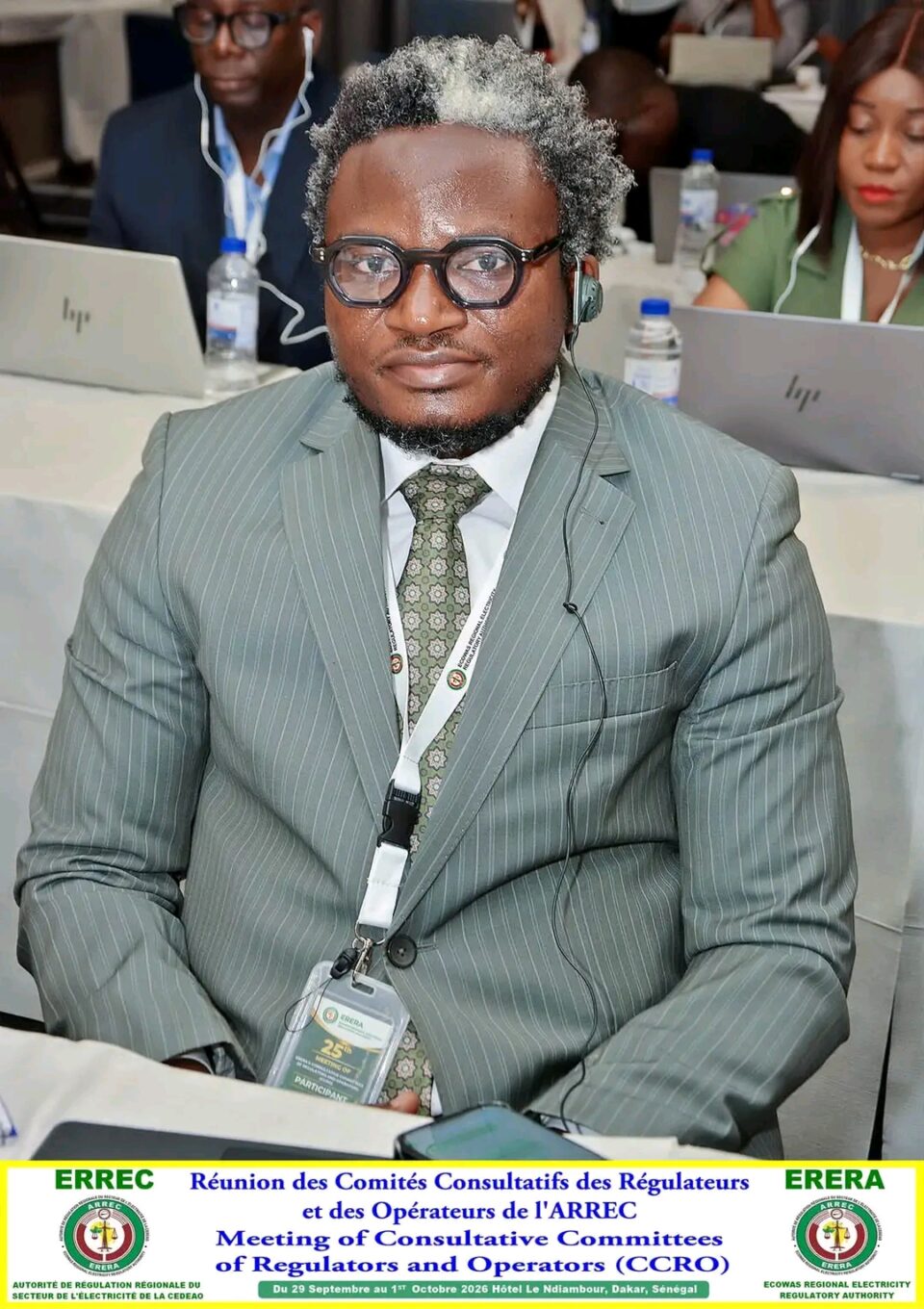
DAKAR, Senegal — Liberia Electricity Regulatory Commission (LERC) Commissioner Amara M. Kamara has emphasized the importance of stronger regional regulatory cooperation and institutional coordination in advancing electricity market integration across West Africa.
Kamara’s participation in the 25th Consultative Committees Meeting of the ECOWAS Regional Electricity Regulatory Authority (ERERA), held in Dakar, Senegal, from September 29 to October 1, 2026, comes as regional stakeholders consider governance reforms and a proposed framework for establishing a Regional System and Market Operator (RSMO).
The meeting focused on a proposed Supplementary Act to establish the RSMO as part of preparations for Phase II of the ECOWAS Regional Electricity Market, an initiative intended to strengthen the coordination of regional electricity operations and facilitate cross-border power trading.
In his proposed remarks, Commissioner Kamara underscored the need for ECOWAS member states to work collectively toward a more coordinated, transparent, and reliable regional electricity market.
He emphasized that effective regional electricity integration requires clear institutional responsibilities, harmonized regulatory approaches, and sustained collaboration among national regulators and regional institutions.
Kamara also highlighted the importance of ensuring that proposed governance reforms establish a practical framework for managing cross-border electricity transactions, improving coordination among participating countries, and supporting the long-term development of the regional power sector.
According to the proposed remarks, Liberia’s engagement in the discussions reflects the importance of participating in regional policy processes that shape electricity regulation, market operations, and cooperation among ECOWAS member states.
The proposed establishment of the RSMO is intended to provide an institutional structure for coordinating the regional electricity system and market. Its development is expected to form part of the preparations for the next phase of regional electricity market integration.
For Liberia, participation in the discussions provides an opportunity to engage with regional counterparts on regulatory frameworks and institutional arrangements that could influence the country’s role in cross-border electricity trade and broader regional energy cooperation.
The meeting concluded three days of discussions on governance reforms and the proposed Supplementary Act. Further details on the final decisions, implementation timetable, and specific commitments made by participating institutions were not included in the information available.
