
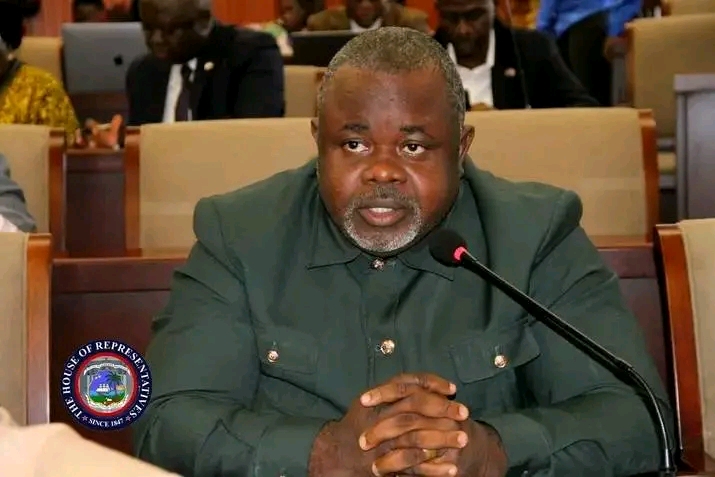
CAPITOL HILL, MONROVIA — Representative Samson Quejue Wiah of Sinoe County District #2 has called on the House of Representatives to intervene in the prolonged delay surrounding a $1 million road project intended to improve major streets in Greenville, Sinoe County.
Speaking before members of the House, Wiah expressed concern that despite the inclusion of funding for the project in Liberia’s 2024 national budget, implementation has yet to begin.
The lawmaker said efforts to secure funding for the paving of Greenville’s principal roads began under the previous administration, with an initial budgetary provision made approximately four years ago.
He explained that subsequent engagement by the Sinoe County legislative caucus resulted in the allocation of US$1 million in the 2024 national budget to support the road works.
However, Wiah lamented that the project remains stalled, with no visible construction activities and, according to him, limited responses from the relevant authorities despite repeated efforts to seek updates.
The district representative described the delay as a matter requiring legislative scrutiny, particularly given the importance of Greenville as a key urban and economic center in southeastern Liberia.
To address the situation, Wiah has requested the intervention of the House plenary to summon the Ministers of Public Works and Finance and Development Planning to explain the status of the appropriation and the reasons for the failure to commence the project.
He said the appearance of the two officials would provide lawmakers an opportunity to establish whether the funds have been made available, identify administrative or implementation challenges, and determine the steps required to move the project forward.
The proposed road development is expected to improve transportation within Greenville, facilitate commercial activities, and ease movement for residents and businesses that depend on the city’s road network.
Wiah’s appeal places renewed attention on the implementation of legislatively approved infrastructure projects and the need for government institutions to account for budgetary commitments made to local communities.
