
EDITORIAL
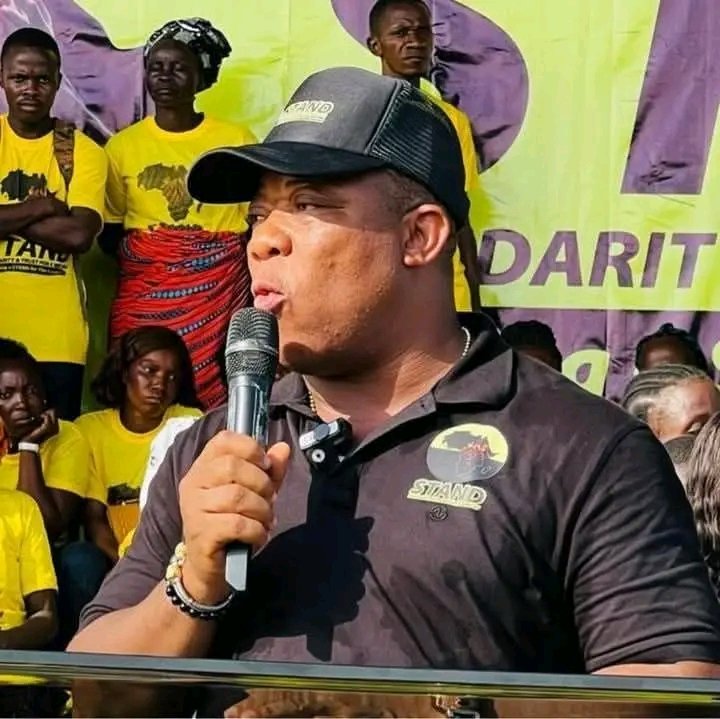
MONROVIA, Liberia — The return of former Congress for Democratic Change (CDC) National Chairman Mulbah K. Morlu Jr. to the opposition party has reopened an important conversation that goes beyond party politics: what happens to the Solidarity and Trust for a New Day (STAND), the civil society organization he currently leads, and who will continue advocating for ordinary Liberians if its leader returns to active partisan politics?
Morlu’s return to the CDC comes nearly three years after his resignation from the party’s leadership in February 2024. He previously described that decision as a sacrifice to prevent internal disagreements from pushing the opposition party into a prolonged crisis following its defeat in the 2023 elections.
While his political comeback may be welcomed by supporters who believe his experience could contribute to the CDC’s rebuilding efforts ahead of 2029, it also raises legitimate questions about the future direction, independence, and leadership of STAND.
Civil society organizations occupy an important place in democratic societies. Their responsibility extends beyond political parties, electoral ambitions, and the interests of individual politicians. They serve as platforms through which ordinary citizens can demand accountability, expose injustice, defend human rights, and draw attention to issues affecting vulnerable communities.
STAND, under Morlu’s leadership, has operated within Liberia’s civil society space. His transition back into partisan politics therefore presents an opportunity to clarify whether the organization will continue operating under its existing leadership arrangement, appoint a new leader, or undergo a broader institutional restructuring.
Who Will Speak for Ordinary Liberians?
This is perhaps the most important question surrounding Morlu’s return.
Liberia continues to face challenges involving unemployment, poverty, corruption allegations, public service delivery, access to justice, economic hardship, and the protection of citizens’ rights. These issues require consistent public scrutiny and advocacy, regardless of which political party controls the government.
Ordinary Liberians need credible institutions that can speak when their concerns are ignored, challenge decisions that undermine public interest, and demand explanations from public officials.
Civil society advocacy must not become inactive simply because its leadership has chosen to pursue a political career. Equally, the return of a prominent civil society figure to partisan politics should not automatically undermine the legitimacy of the organization he previously led.
However, maintaining public confidence requires clear institutional separation between partisan political activities and independent civil society work.
If Morlu intends to devote more attention to rebuilding the CDC, questions about his continued leadership of STAND deserve an honest and transparent response. The organization should also demonstrate that its institutional identity and advocacy responsibilities are not dependent on one individual’s political decisions.
Political Loyalty and Public Responsibility
Liberia’s democracy benefits from active political parties and independent civil society organizations. Both have different but important responsibilities.
Political parties compete for political power and seek to implement their programmes through government. Civil society organizations, on the other hand, should remain committed to public accountability and the interests of citizens across political affiliations.
The two roles should not be confused.
Morlu has every right to participate in partisan politics and contribute to the CDC’s political future. However, the public also has a legitimate interest in knowing how STAND will preserve its independence and continue its work.
The question is not whether Morlu should have returned to the CDC. Rather, it is whether his political return will leave a leadership and advocacy vacuum within an organization that is expected to represent broader public interests.
Liberians Deserve an Answer
As the CDC looks toward the 2029 elections, attention will naturally focus on its leadership, internal reconciliation, and electoral preparations. But the interests of ordinary citizens must not disappear beneath the excitement of political realignments.
STAND’s future should be addressed through a clear leadership arrangement, institutional accountability, and a commitment to maintaining independent advocacy.
Liberia needs political leaders who can organize parties, but it equally needs civil society institutions that can question those leaders when they fall short of public expectations.
Ultimately, the return of Mulbah Morlu to the CDC should not mark the disappearance or weakening of independent advocacy associated with STAND.
The people still need a voice. The question remains: Who will speak for the ordinary Liberian if STAND loses its independence or becomes overshadowed by partisan politics?
That is an issue deserving public attention, transparency, and a clear response.
