
By Sampson W. Weah
MONROVIA, Liberia — The Director General of the Agricultural and Industrial Training Bureau (AITB), Abraham Billy, has underscored the importance of a modern, industry-driven Technical and Vocational Education and Training (TVET) system in preparing Liberia’s workforce for the demands of the 21st century.
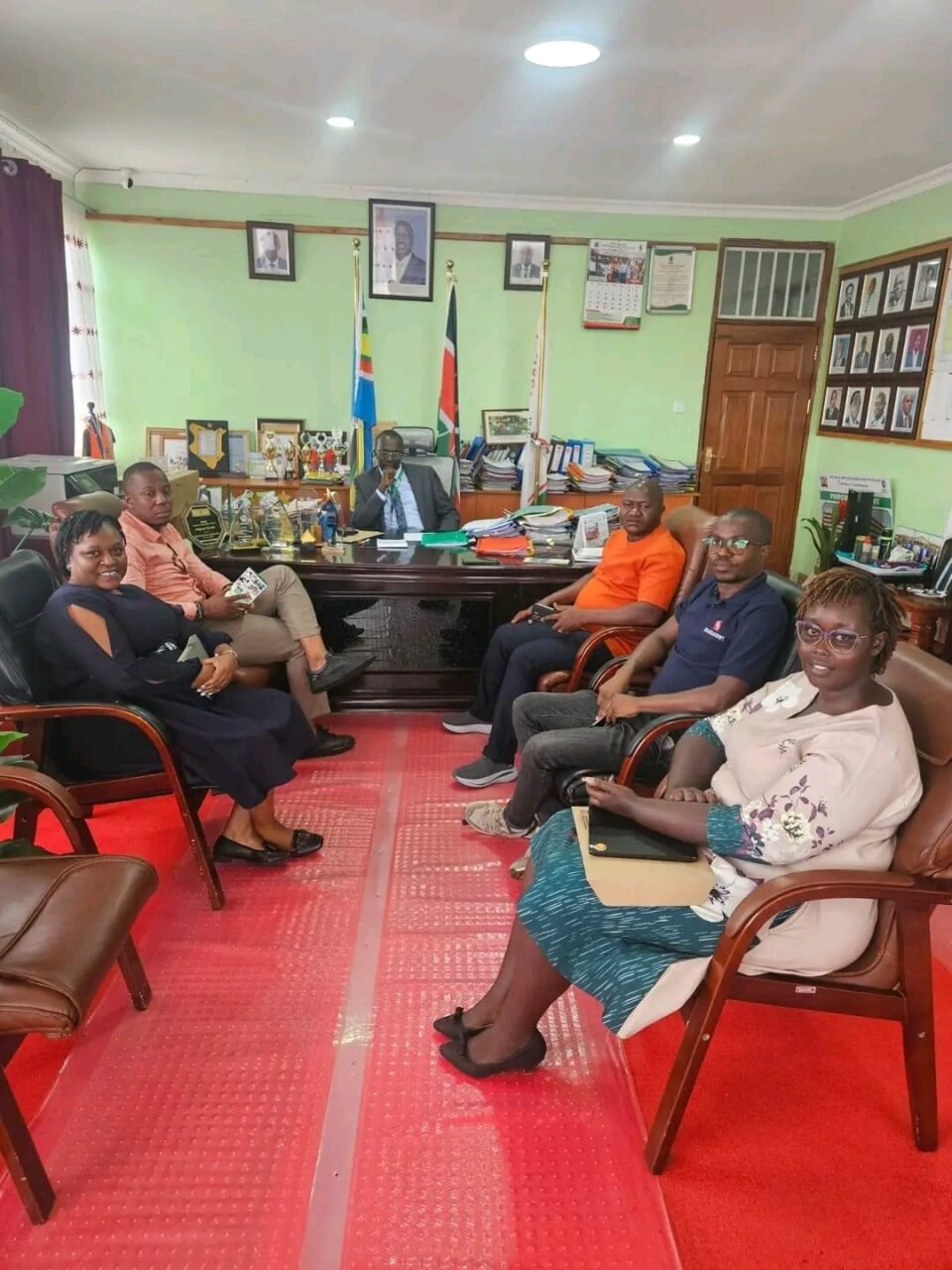
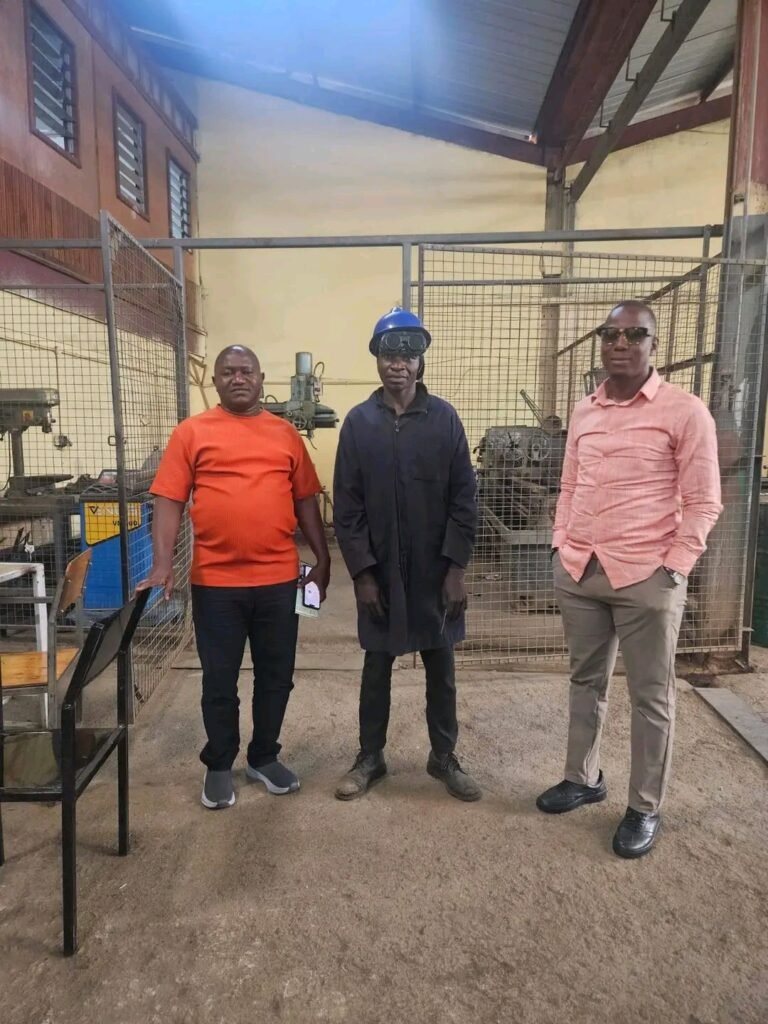
Billy made the remarks following an institutional mission to Nairobi and Nakuru, Kenya, accompanied by the Bureau’s Deputy Director for Administration, Alphanso Paye Korto Sr. The visit focused on knowledge exchange, strategic engagements, and examining effective approaches to TVET governance, regulation, institutional management, and training delivery.
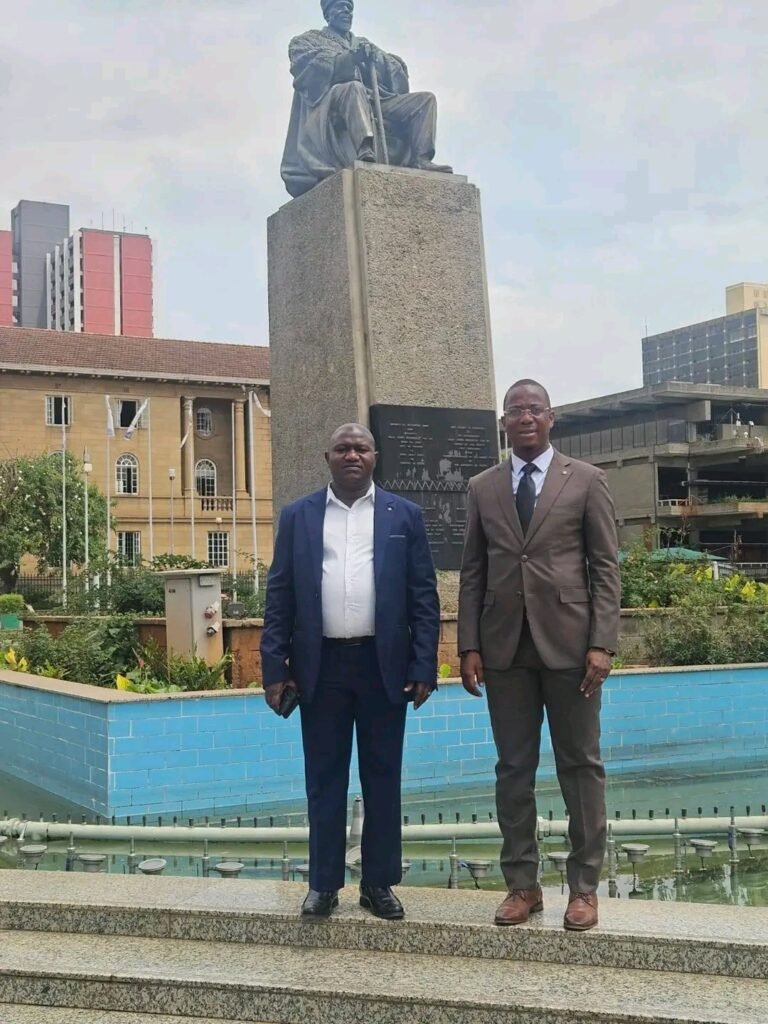
The mission provided the Liberian delegation an opportunity to learn from Kenya’s experiences in vocational and technical education, particularly in developing institutional standards, improving training systems, and aligning skills development with the demands of the labor market.
Among the notable engagements was a meeting with an award-winning TVET principal whose leadership, innovative practices, and commitment to educational excellence offered valuable lessons on managing vocational institutions and improving the quality of technical training.
Billy described the mission as both productive and enriching, emphasizing that exposure to successful international practices is important to strengthening Liberia’s vocational education framework.
However, he stressed that the conclusion of the mission marks the beginning of the more demanding responsibility of applying the knowledge acquired to produce meaningful improvements at home.
TVET: A Critical Investment in the 21st-Century Workforce
As economies become increasingly driven by technology, industrial innovation, and specialized skills, technical and vocational education has emerged as a major instrument for preparing young people for employment and entrepreneurship.
In the 21st century, economic development requires more than academic qualifications. Countries must also develop a workforce with practical competencies, technical expertise, digital knowledge, and the ability to respond to changing workplace demands.
TVET provides that essential connection between education and the world of work. Through practical instruction, occupational training, industry exposure, and competency-based learning, individuals acquire the skills needed to perform specific jobs, establish businesses, and contribute to productive economic activities.
For Liberia, the importance of this sector cannot be overstated.
With a significant young population and continuing demands for employment opportunities, the country needs a training system capable of producing skilled technicians, artisans, agricultural professionals, construction workers, mechanics, electricians, information technology specialists, and other professionals required to sustain economic growth.
A stronger TVET system could also reduce the country’s dependence on foreign technical expertise by developing local professionals capable of supporting infrastructure development, agriculture, manufacturing, energy, construction, and other productive sectors.
Beyond employment, vocational education offers young Liberians an opportunity to become entrepreneurs rather than remain entirely dependent on limited formal-sector jobs. With appropriate training, access to equipment, and business support, graduates can establish enterprises, provide essential services, generate income, and create employment for others.
Nevertheless, achieving these outcomes requires sustained investment in training facilities, modern equipment, qualified instructors, updated curricula, effective regulation, and partnerships between educational institutions and the private sector.
Turning International Lessons into Practical Results
For AITB, the Kenyan mission presents an opportunity to examine how relevant international experiences can be adapted to Liberia’s educational and economic environment.
The Bureau’s responsibility extends beyond providing training opportunities. It must also contribute to ensuring that vocational institutions maintain appropriate standards, instructors possess the necessary competencies, and training programs reflect the actual needs of employers and industries.
As technology continues to transform the workplace, vocational education must equally evolve. Digital literacy, modern technical applications, innovation, entrepreneurship, and emerging occupational skills must become increasingly important components of training programs.
This will help ensure that Liberian graduates are not only prepared for existing employment opportunities but are also equipped to adapt to new industries and changing economic conditions.
Billy emphasized that the real value of international learning is not measured by the number of meetings attended or experiences acquired, but by the practical solutions developed and the improvements delivered to people’s lives.
He reaffirmed the Bureau’s commitment to advancing a TVET system that delivers quality, industry-relevant skills, empowers young people, and supports sustainable national development.
The participation of Deputy Director for Administration Alphanso Paye Korto Sr. also formed part of the Bureau’s engagement in examining institutional and administrative approaches that could contribute to strengthening its operations.
The Road Ahead for Liberia
Liberia’s ambition to achieve sustainable economic growth requires a deliberate investment in human capital. Roads, bridges, industries, agricultural projects, and other development initiatives require skilled people who can construct, operate, maintain, and manage them.
Without a strong technical workforce, the country’s development objectives risk facing persistent skills shortages and continued reliance on external expertise.
A responsive TVET system, therefore, must be recognized as a national development priority and an essential component of Liberia’s education and employment strategies.
As the AITB leadership returns from Kenya, the central task will be to translate the lessons gathered into practical institutional improvements, stronger training standards, and expanded opportunities for young Liberians.
The ultimate measure of the mission will not be the knowledge acquired in Nairobi and Nakuru, but the extent to which that knowledge helps build a skilled Liberian workforce capable of driving the country’s economic transformation.
