
By Sampson W. Weah
MONROVIA, Liberia — After more than five decades without a comprehensive foreign policy overhaul, Liberia has unveiled a new diplomatic framework intended to redefine its position in global affairs and make international relations more responsive to national economic priorities.
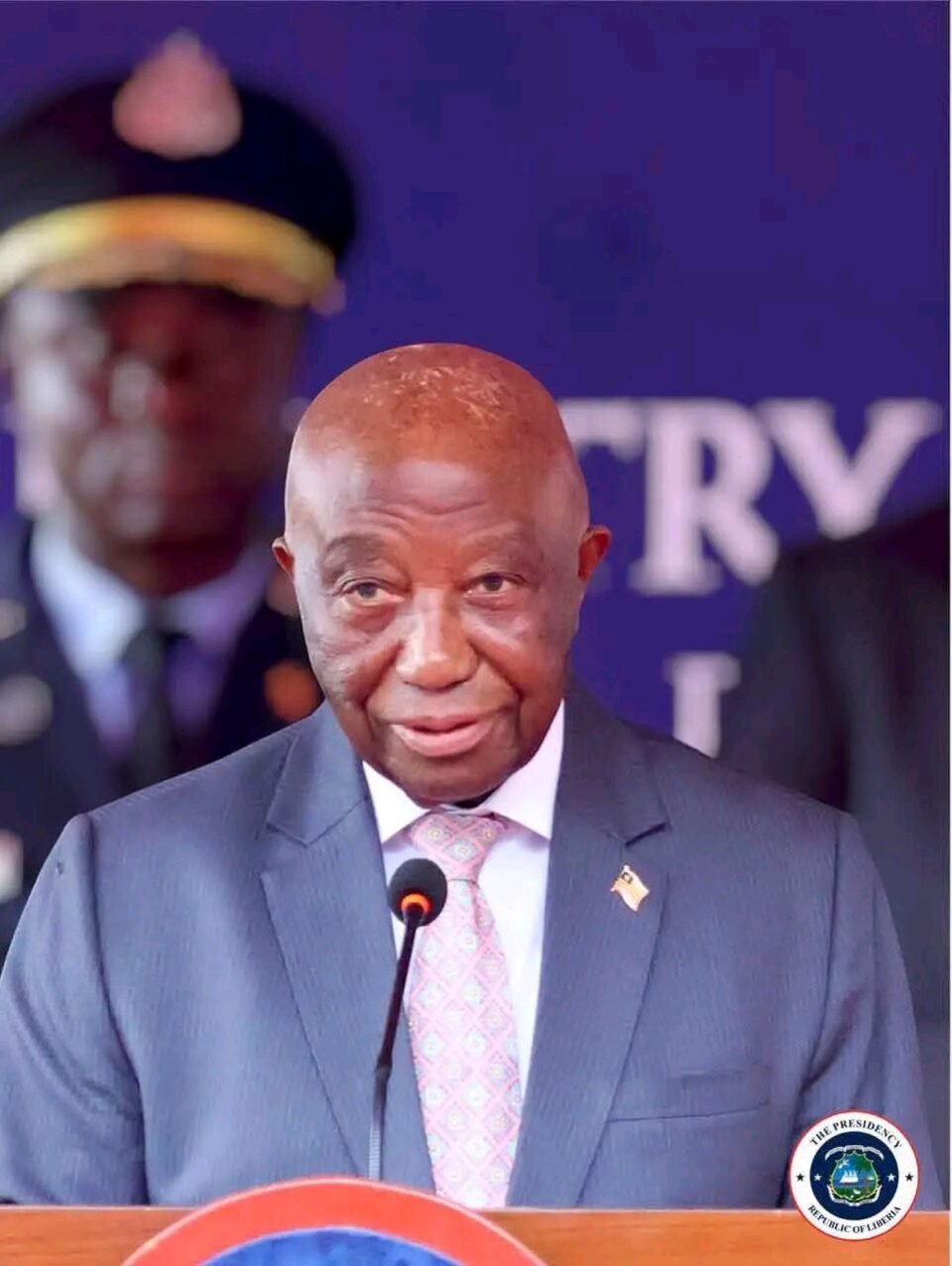
President Joseph Nyuma Boakai launched the policy on Tuesday, November 17, 2026, announcing a strategic shift that places the protection of national interests, investment promotion, citizens’ welfare and technological advancement at the center of Liberia’s foreign relations.
The initiative comes against the backdrop of changing global power relations, growing competition for natural resources and increasing pressure on developing countries to establish stronger economic and diplomatic positions.
Boakai said Liberia could no longer approach international relations without considering the direct consequences for its economy and population. He emphasized that the country must use its diplomatic presence to secure opportunities that translate into measurable improvements at home.
The President anchored the new direction in Liberia’s historical diplomatic identity, recalling its establishment as Africa’s oldest republic and its role among the original signatories of the United Nations Charter in 1945.
However, he argued that historical recognition must be accompanied by a modern diplomatic strategy capable of responding to contemporary challenges.
The framework identifies five areas requiring sustained government attention.
Sovereignty and National Security
The administration intends to strengthen Liberia’s capacity to safeguard its territorial integrity, natural resources and national institutions. Boakai emphasized that control over the country’s land, waters and strategic assets must remain a fundamental consideration in its international dealings.
Diplomacy as an Instrument of Economic Growth
The President wants Liberia’s diplomatic missions to take a more practical approach to international engagement by pursuing investment, commercial partnerships and market opportunities.
Agriculture, mining, infrastructure, tourism, manufacturing and the digital economy were identified as priority sectors. He also highlighted the importance of exploiting opportunities under the African Continental Free Trade Area.
Boakai insisted that Liberia’s natural resources must be administered transparently and contribute to national prosperity rather than become sources of instability.
Protection of Liberians Overseas
The new framework also places greater emphasis on the welfare of Liberian citizens living outside the country.
The administration intends to strengthen relations with the diaspora and encourage greater participation in national development through investment, professional expertise and international partnerships.
A Stronger Voice in Regional and Global Affairs
Liberia also intends to expand its participation in international decision-making, particularly on matters involving peace, security, democratic governance and regional integration.
Boakai cited Liberia’s June 2025 election to a non-permanent seat on the United Nations Security Council as an important opportunity to advance the country’s diplomatic influence.
He identified the Mano River Union, ECOWAS, the African Union and the United Nations as key platforms through which Liberia will pursue its regional and international priorities.
Technology and the Future Workforce
Recognizing the growing influence of technology on global economic competitiveness, Boakai called for greater investment in digital skills and opportunities for young Liberians.
He warned that the country must prepare its population to participate in the expanding digital economy rather than risk falling further behind technologically advanced nations.
Beyond the five priorities, the President emphasized that the policy must remain consistent with the government’s ARREST Agenda for Inclusive Development.
He argued that diplomatic relationships should produce practical outcomes, including stronger institutions, increased investment, employment opportunities and improved living standards.
The framework also incorporates gender equality as a major consideration. Boakai described its approach as feminist in substance but national in purpose, stressing that Liberia’s international commitments must reflect its domestic commitment to equal opportunities.
He referenced the contribution of women to Liberia’s peacebuilding efforts, arguing that national progress cannot be achieved when women are excluded from opportunities to contribute fully to society.
Calling for broad participation in the policy’s implementation, the President urged government agencies, international partners, civil society and the private sector to support the initiative.
He acknowledged that the introduction of a new foreign policy would mean little without effective implementation, stressing that its success must ultimately be judged by the results it produces for the country.
Boakai credited Foreign Minister Sara Beysolow Nyanti and her team for completing the policy, describing the launch as an important step toward repositioning Liberia’s diplomatic engagement for the demands of the modern world.
