
By Sampson W. Weah
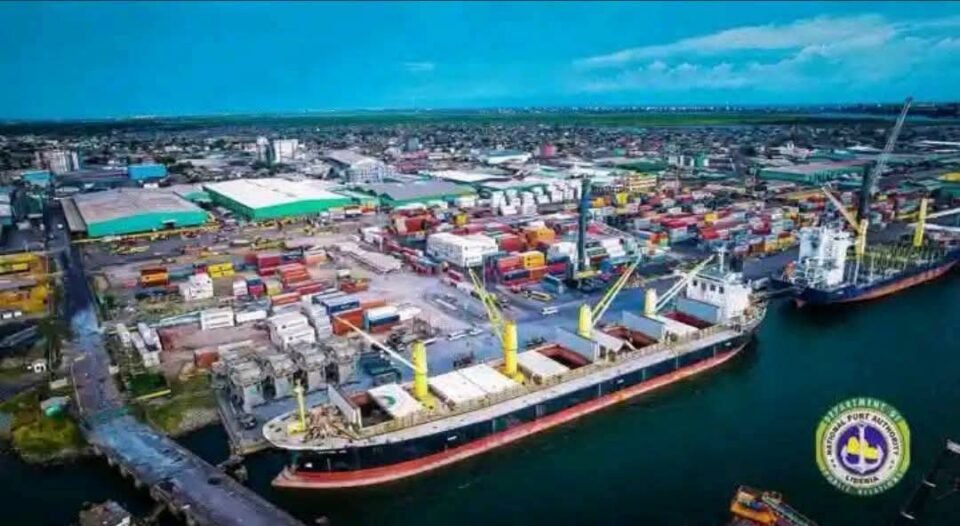
MONROVIA, Liberia — The Liberian Senate has opened a major legislative challenge to the contractual arrangements governing operations at the Freeport of Monrovia, unanimously passing a vote of no confidence in MEDTECH and GTMS/CTN while ordering an expedited review of the concession agreement with APM Terminals.
The decision, adopted Tuesday, November 17, 2026, followed hours of deliberations involving the National Port Authority (NPA), Liberia Revenue Authority (LRA), APM Terminals, MEDTECH and GTMS/CTN.
At the center of the Senate’s intervention are mounting concerns over port service charges, delays in cargo clearance and operational challenges lawmakers believe are contributing to the increasing cost of imported commodities.
Senators argued that the financial consequences of these difficulties extend beyond importers and shipping companies, ultimately affecting businesses, traders and consumers who bear the additional costs through higher prices of goods and services.
Following the hearing, the Senate advised the Executive Branch to immediately suspend MEDTECH and GTMS/CTN until their contractual arrangements are brought into compliance with Liberian law and submitted to the Legislature for scrutiny.
The lawmakers further cautioned that the agreements should be terminated if the companies fail to satisfy the country’s legal requirements.
The Senate’s decision also places APM Terminals’ concession agreement under renewed examination, with lawmakers seeking a comprehensive assessment of its provisions to determine whether the existing arrangement adequately protects Liberia’s economic interests.
Contract Legality Becomes Central Issue
Introducing the motion, Nimba County Senator Nya D. Twayen questioned both the performance of MEDTECH and GTMS/CTN and the legal procedures through which their agreements were established.
Twayen recalled that the companies were entrusted with significant responsibilities at the Freeport, including port management, cargo scanning, tracking and security services.
Their engagement was expected to strengthen port efficiency, facilitate international trade, accelerate container processing and ensure that businesses could access services at reasonable costs.
However, the senator expressed dissatisfaction with the prevailing situation, pointing to increased service charges, prolonged cargo clearance and the rising financial burden on commercial operators.
Beyond the operational concerns, Twayen challenged the circumstances surrounding the execution of the companies’ contracts, arguing that the agreements were concluded by the Executive Branch without being submitted to the Legislature for the required scrutiny and ratification.
He maintained that such arrangements must satisfy the provisions of the Public Procurement and Concessions Act, particularly where contractual obligations involve public resources and national economic interests.
His motion called for the suspension of the two companies pending compliance with the applicable legal framework and submission of their agreements for legislative review. He also proposed termination as a possible consequence should the companies fail to meet the required standards.
APM Terminals Concession Faces Fresh Examination
The Senate’s intervention extended beyond MEDTECH and GTMS/CTN, with Twayen calling for a thorough reassessment of the concession agreement between the Government of Liberia and APM Terminals.
He proposed that the agreement be examined to determine whether its current terms remain beneficial to the Liberian economy and adequately protect the interests of the state and its citizens.
To undertake the assignment, the Senate mandated its Committees on Concessions; Ways, Means, Finance and Budget; Judiciary; and Commerce to conduct the review and present their findings to Plenary within 15 days.
The committee assignment is expected to provide lawmakers with an opportunity to examine the concession’s terms and conditions and identify areas requiring reconsideration.
Economic Implications
The Senate’s action places renewed pressure on the Executive Branch and the companies operating at the Freeport to address questions surrounding contractual compliance, service delivery and the cost of port operations.
For Liberia, where imported goods account for a substantial portion of domestic consumption, the efficiency and affordability of port services remain important factors in determining the cost of doing business and the prices ultimately paid by consumers.
The forthcoming committee report could shape the Legislature’s next steps concerning the existing port agreements and its engagement with the relevant government institutions and private operators.
Beyond the vote of no confidence, the unfolding review raises broader questions about transparency in concession arrangements, legislative oversight and whether the country’s port infrastructure is being managed in a manner that delivers sufficient economic benefits to the Liberian people.
