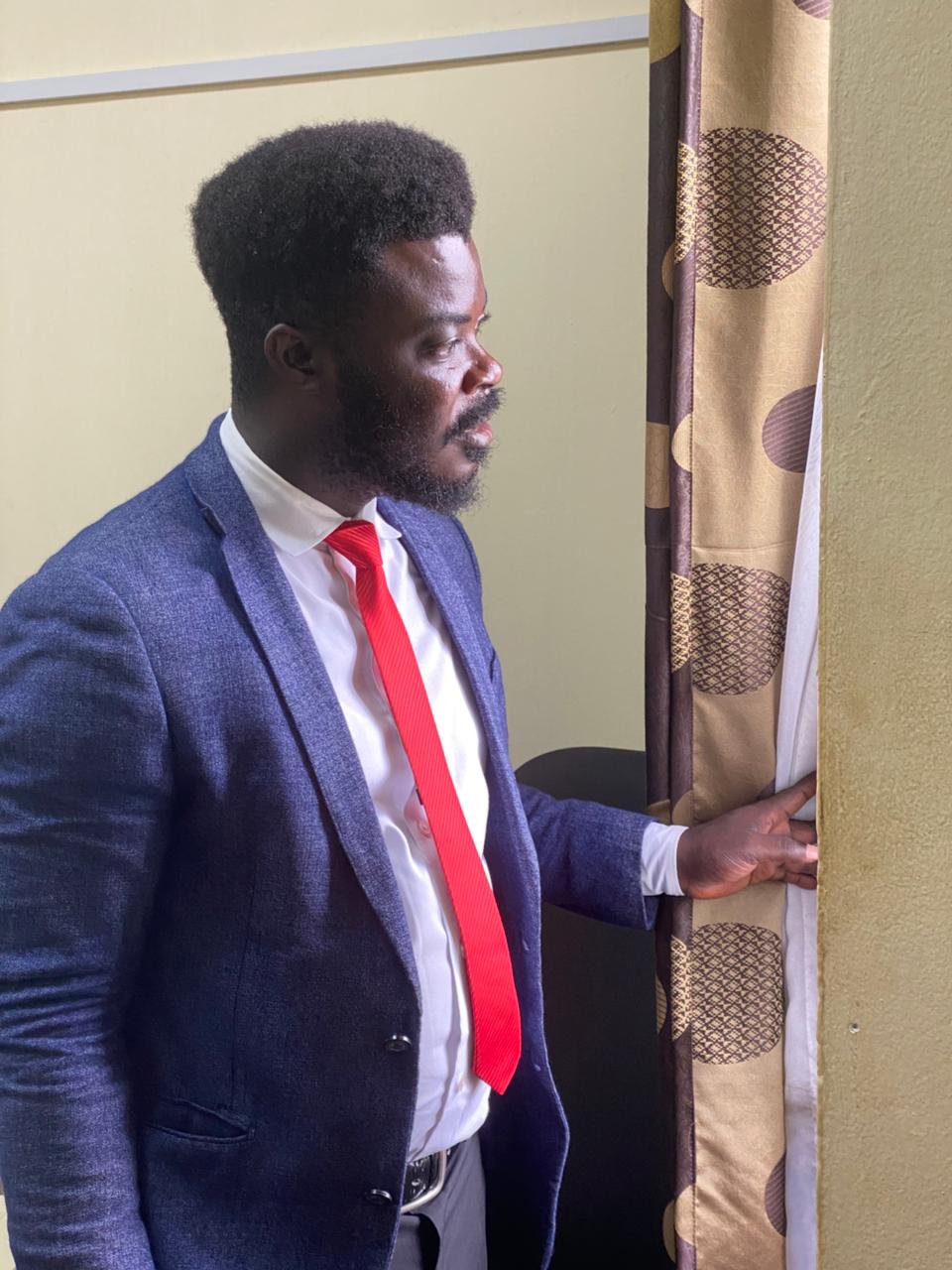
MONROVIA, Liberia — Nimba County son Amos NyaGontee Wuoquiah Sr. has called on the Nimba Elders Council to urgently intervene in what he describes as growing political divisions, disagreements, and tensions among the county’s political leaders and their supporters.
In an open appeal to the Nimba Elders Council, Wuoquiah urged the county’s elders to convene an inclusive political and intellectual dialogue aimed at promoting reconciliation, strengthening unity, and developing a common political and developmental vision for Nimba.
Wuoquiah said political differences are a normal feature of democracy but warned that when disagreements become personal, hostile, and divisive, they can weaken Nimba’s collective political influence and undermine the county’s broader aspirations.
He stressed that “Nimba comes first,” urging political leaders to place the collective interests of the county above individual political ambitions and partisan differences.
According to Wuoquiah, Nimba has produced influential leaders and made significant contributions to Liberia’s national development, but internal political divisions could prevent the county from fully realizing its potential.
He referenced the late Jackson F. Doe and former President Moses Zeh Blah, arguing that Nimba’s long-standing political influence has yet to translate into the election of a Nimba son or daughter to the presidency through a full democratic mandate.
Wuoquiah believes Nimba has another opportunity to play a major role in Liberia’s national political future, but said that opportunity will require unity, strategic thinking, political maturity, and reconciliation.
He proposed the establishment of a Nimba Unity and Reconciliation Initiative, bringing together current and former public officials, political leaders, traditional authorities, intellectuals, youth and women leaders, civil society representatives, business leaders, and other prominent sons and daughters of the county.
The proposed dialogue, he said, should remain independent of any political party or individual candidate and instead provide a neutral platform for Nimbians to discuss their differences, identify common development priorities, and establish a long-term vision for the county.
Wuoquiah acknowledged that some Nimbians feel excluded or neglected by the current political administration, while others hold views that differ from the government or other political leaders.
However, he argued that political disagreement should not make anyone less of a Nimbian.
He cited several prominent Nimba figures, including Madam Edith Gongloe-Wah, Senator Samuel Gongben Kogar, Cllr. Garrison Yealu, Gompu Kargon, Musa Bility, and Taa Wongbe, among others, noting that despite their political differences, they remain sons and daughters of the same county.
He further warned against allowing political disagreements among leaders to translate into hostility among their supporters.
Wuoquiah said any serious effort by Nimba to produce Liberia’s future national leadership must begin with unity at home.
He argued that national leadership cannot be achieved through insults, personal attacks, political isolation, or internal division, but rather through competent leadership, broad national acceptance, strategic engagement, and a compelling vision for Liberia.
Among the proposed objectives of the dialogue are promoting political reconciliation, reducing hostility among supporters, identifying common development priorities, preparing young Nimbians for responsible leadership, and developing a long-term political and developmental strategy for Nimba.
Wuoquiah also appealed to the county’s elders to prevent younger generations from inheriting political divisions and animosities.
“Political competition does not have to mean political hatred,” he maintained, urging Nimbians to remain united even when they support different political parties or candidates.
He concluded by calling on the Nimba Elders Council to bring the county’s competing political interests around one table, emphasizing that the future of Nimba is greater than any individual or political party.
Wuoquiah said a united Nimba would be better positioned to play a decisive role in Liberia’s national politics and contribute leadership capable of serving the interests of the entire country.
Amos Wuoquiah Calls for Political Unity, Reconciliation in Nimba