
MONROVIA, Liberia – The Sports Writers Association of Liberia (SWAL) has called for direct government investment in the country’s sports media sector, warning that the profession cannot reach its full potential without adequate institutional backing, modern reporting resources, and improved working conditions.
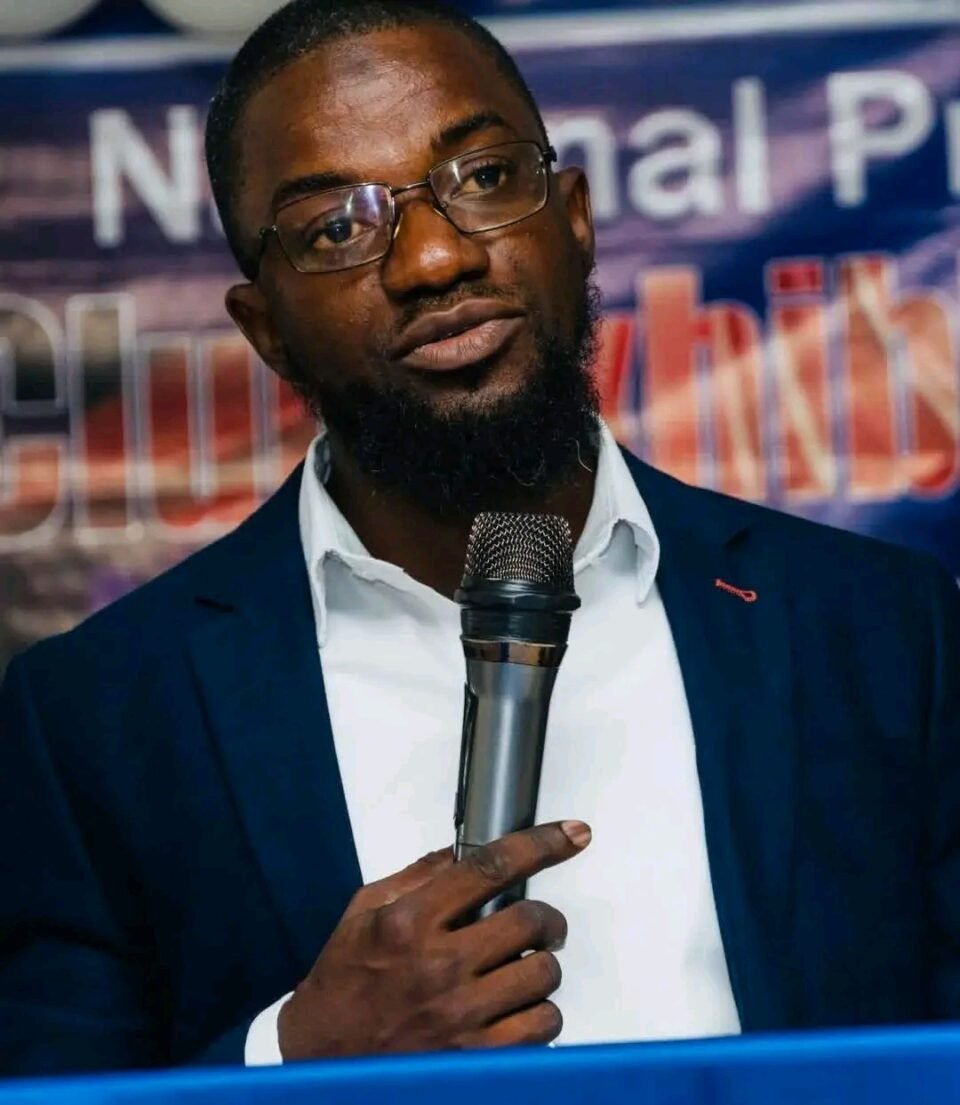
The appeal was made by SWAL President Varmah Kamara during activities marking the association’s 40th anniversary at the Liberia Football Association (LFA) headquarters, where he raised concerns about the longstanding difficulties affecting the organization and its members.
Kamara said the association, founded in 1986, has reached four decades without securing a permanent headquarters. He described the situation as a major institutional setback, limiting its ability to conduct administrative functions, convene members, and implement activities aimed at strengthening sports journalism.
He also pointed to persistent difficulties faced by reporters in gaining access to sporting facilities, alongside shortages of professional equipment and inadequate digital infrastructure needed to meet the demands of contemporary sports reporting.
The SWAL President believes these challenges require more than verbal recognition from public officials. He wants the Ministry of Youth and Sports, the Liberian Senate, and other relevant authorities to take concrete steps toward supporting the association, including making provision for it in the national budget.
Kamara questioned why an organization with 40 years of involvement in Liberia’s sporting development has not received formal budgetary consideration. In making his argument, he recalled President Joseph Nyuma Boakai’s position that the national budget represents the resources of the Liberian people.
He maintained that providing support to SWAL would not mean placing sports journalists under government influence or weakening their professional independence. Rather, he argued that institutional assistance should create the conditions necessary for journalists to carry out their work without unnecessary operational barriers.
The association’s concerns come at a time when sports journalism extends beyond match reporting to include investigations into sports administration, coverage of athletes’ development, examination of sporting policies, and public scrutiny of institutions responsible for managing the country’s sports sector.
As SWAL marks its 40th year, the demand for government support raises a broader question about the place of sports journalism in Liberia’s national development agenda and whether the profession’s contribution will receive the institutional recognition it has long sought.
