
MONROVIA, Liberia — Liberia’s domestic revenue mobilization has recorded a significant increase, with the Liberia Revenue Authority (LRA) reporting US$1.26 billion in total collections as of November 21, 2026, and domestic receipts already exceeding the annual target set for the current fiscal year.
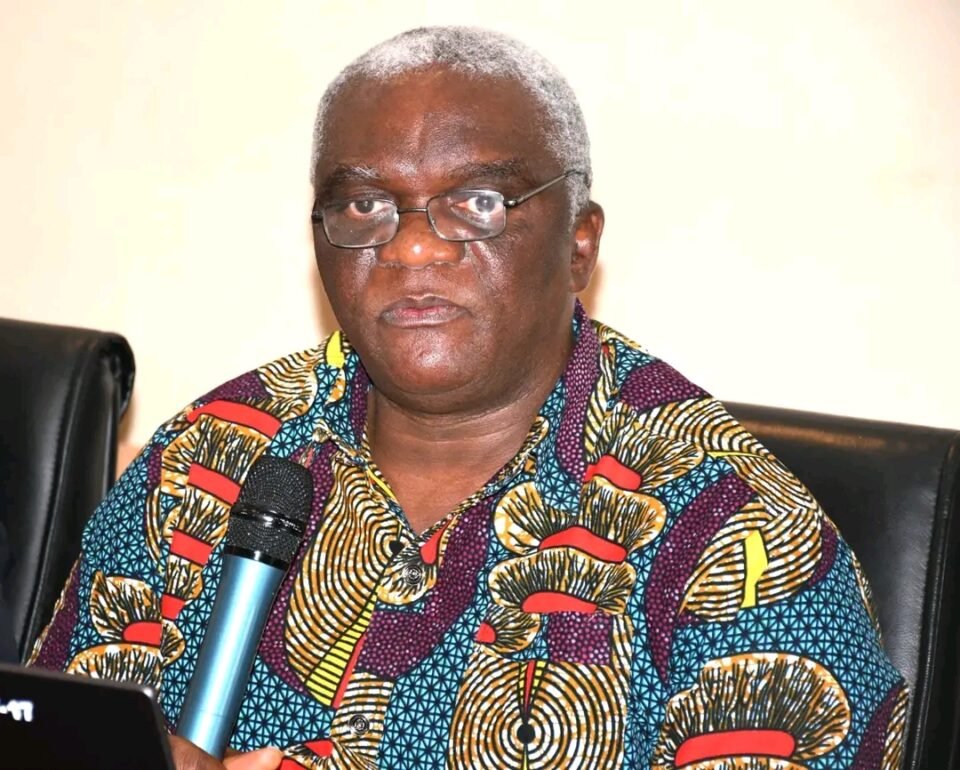
The latest figures were disclosed by LRA Commissioner General James Dorbor Jallah during a public hearing convened by the Legislature to examine the revenue component of the proposed 2027 National Budget at the Capitol in Monrovia.
Addressing lawmakers, Jallah reported that domestic revenue had reached US$1.181 billion, while aggregate collections represented 97 percent of the projected US$1.302 billion for 2026.
Performance across the Authority’s major revenue departments showed varying levels of achievement. The Customs Department collected 105 percent of its assigned target, while the Domestic Tax Department reached 99 percent. Combined tax collections stood at 102 percent of the LRA’s target.
Jallah clarified that the remaining difference between total collections and the national revenue projection was largely attributable to external financing, including loans and other resources that do not fall under the Authority’s collection responsibilities.
The Commissioner General described the current performance as a considerable improvement over the previous fiscal year. He disclosed that domestic collections had surpassed the approximately US$847 million recorded in 2025 by about 39 percent, with the Authority forecasting total revenue of approximately US$1.38 billion by the end of December.
However, the improved revenue position has not eliminated the operational difficulties confronting the institution.
Jallah told the hearing that limited financial support continues to restrict the LRA’s ability to strengthen its administrative systems, improve working conditions and extend effective revenue collection services throughout the country.
To address the funding challenge, he proposed an amendment to the Liberia Revenue Authority Act that would authorize the institution to retain five percent of the tax revenue it assesses and collects.
The proposed arrangement would exclude royalties, contributions from state-owned enterprises, maritime sector receipts, fees, fines and external resources.
He maintained that providing the LRA with a dedicated operational allocation would help address shortages of vehicles, technical equipment and adequate office facilities. The arrangement would also support reliable electricity at rural offices and improve the institution’s ability to retain experienced personnel.
Making the case for the proposal, Jallah told lawmakers: “Fund the collector, and the collector will grow the collection.”
Another major issue raised during the hearing was the volume of tax exemptions granted across the economy.
According to the Commissioner General, customs exemptions reached US$442 million between January and October 2026, while collections from international trade during the same period amounted to US$278 million.
He further disclosed that the cumulative value of exemptions since 2023 had reached approximately US$1.3 billion. Duty waivers associated with petroleum products alone were estimated at US$10.7 million in 2025.
The figures prompted renewed calls for a review of the country’s tax exemption policies, particularly to ensure that incentives granted to businesses and other entities are consistent with the government’s revenue objectives.
In outlining the Authority’s priorities for the coming year, Jallah announced 24 planned administrative and policy reforms for 2027.
The initiatives include expanding the Automated System for Customs Data (ASYCUDA) to border crossing points, implementing VAT and electronic invoicing, and extending the Liberia Integrated Tax Administration System and real property tax administration to all 15 counties.
The LRA also intends to strengthen revenue supervision, improve electronic payment arrangements through integration with the Central Bank of Liberia’s payment system and reinforce internal controls.
Government Sets US$1.539 Billion Revenue Target for 2027
Providing the government’s fiscal outlook, Deputy Finance Minister for Fiscal Affairs Anthony G. Myers informed lawmakers that the administration is targeting US$1.539 billion in total revenue for the 2027 fiscal year.
The proposed amount represents an 11.5 percent increase over the estimated US$1.38 billion expected to be generated in 2026.
Myers explained that tax revenue is projected to increase from US$847.5 million to US$1.072 billion, supported by anticipated contributions from agriculture, fisheries and the services industry.
A major component of the government’s revenue strategy is the introduction of a 15 percent Value Added Tax, scheduled to commence on January 1, 2027. The Finance Ministry estimates that the new tax arrangement could generate approximately US$224.8 million, with rice and petroleum products excluded from the measure.
The government is also proposing a two percent advance corporate income tax on the turnover of companies operating in the mining and agricultural sectors. The measure is projected to generate US$57.3 million over a full year.
Other anticipated revenue gains are expected from improved petroleum tax administration and stronger enforcement of existing tax obligations.
Nevertheless, Myers cautioned that the projections could be affected by implementation difficulties associated with the introduction of VAT, international commodity price movements and variations in mining production.
He said the government would monitor revenue performance and respond to emerging challenges to maintain progress toward the proposed fiscal targets.
Lawmakers Demand Credible Revenue Projections
Chairman of the House Committee on Ways, Means, Finance and Budget, Representative P. Mike Jurry, emphasized the need for revenue estimates that reflect realistic economic conditions and the government’s actual capacity to collect taxes.
Jurry called for stronger compliance measures, a broader tax base and more effective mechanisms to prevent revenue losses.
He also underscored the responsibility of state-owned enterprises and public institutions to fulfill their statutory financial contributions to government.
The legislative hearing provides lawmakers an opportunity to scrutinize the revenue assumptions underpinning the proposed 2027 National Budget, assess the effectiveness of existing collection mechanisms and determine whether the government’s proposed tax measures can generate the resources required to finance its spending priorities.
The outcome of the review will be central to determining the credibility of the government’s fiscal plan and its capacity to sustain domestic revenue growth in the coming year.
