
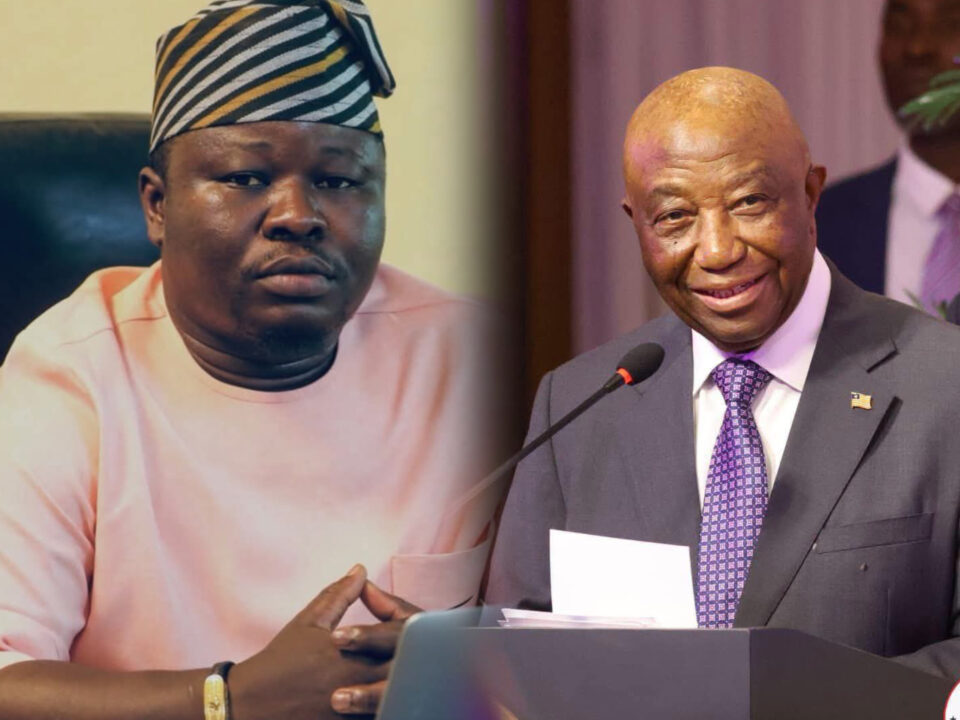
Boakai’s Steady Progress Faces the Test of Jobs and Living Standards: Political Development Analysis By Jusu Kamara
MONROVIA, Liberia — President Joseph Nyuma Boakai’s administration is pointing to economic growth, improved fiscal management and expanding infrastructure as signs that Liberia is moving toward greater stability.
Liberia’s economy grew by 5.1 percent in 2025, up from 4 percent in 2024, with mining—particularly iron ore—serving as the major driver. Government’s fiscal position also improved, with the deficit falling from 7.1 percent of GDP in 2023 to 1.1 percent in 2025, while domestic revenue increased.
Electricity access has also expanded, with an estimated 81,776 new household connections reaching nearly 376,000 Liberians during 2025. The rehabilitation of the Mount Coffee Hydropower Plant is expected to further increase national power capacity.
However, the administration still faces serious challenges. Extreme poverty was estimated at 35.8 percent in 2025, while about 87 percent of workers remain in smallholder agriculture or informal businesses. Youth unemployment and limited opportunities remain major concerns.
The central challenge for President Boakai is therefore clear: turn economic growth into jobs, investment into local businesses, and infrastructure into better living conditions.
As the 2029 elections approach, Liberians are likely to judge the administration less by economic statistics and more by what they experience in their communities.
A job for a young person, reliable electricity for a business, better roads for farmers and improved healthcare will mean more to voters than any GDP figure.
President Boakai’s administration has made measurable gains, but the unfinished work is substantial.
Liberia is moving—but the real test is whether ordinary Liberians are moving forward with it.
Forward steadily — President Boakai, no apology.
About the Author:
Jusu Kamara is a Liberian political analyst, public affairs strategist and development communicator focusing on governance, political economy, institutional reform and national development.
