
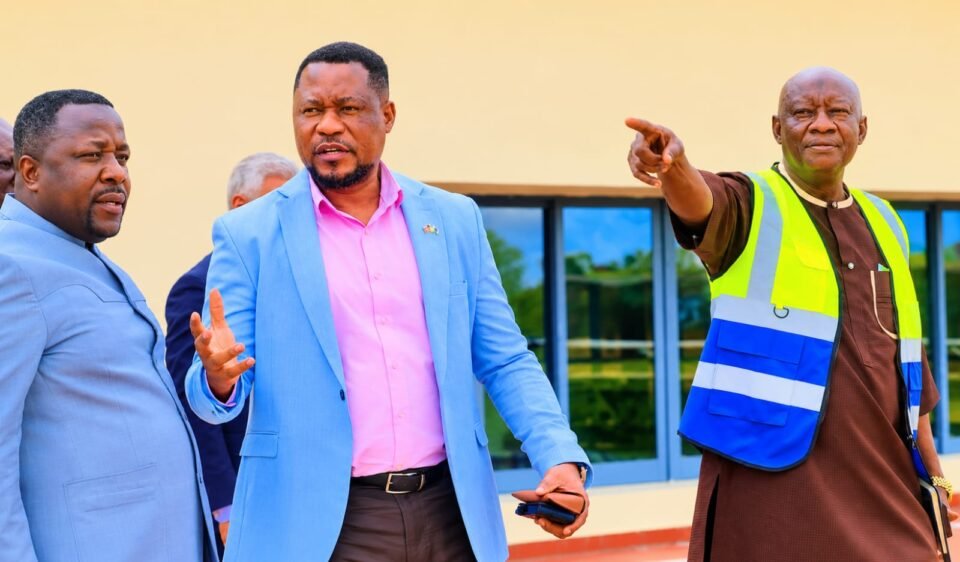
Capitol Hill, Liberia — Since assuming office as Representative of Maryland County Electoral District #3, Hon. Austin B. Taylor has pursued a range of development interventions targeting community infrastructure, education, healthcare support, road connectivity and youth empowerment.
His development activities have included the construction of public facilities, temporary road infrastructure, support for volunteer teachers and traditional midwives, as well as financial assistance to Maryland County’s sports teams.
Among the visible infrastructure projects is the construction of a market hall in Gbalaken Town, formerly known as Free Town, in Dorrobo Clan, Karluway Statutory District.
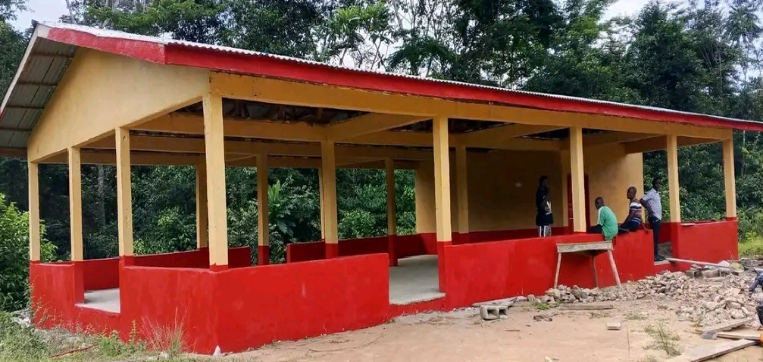
The facility, which was completed in March 2026 following a groundbreaking ceremony in November 2025, is expected to benefit at least six surrounding communities.
For years, residents of Gbalaken and nearby communities reportedly traveled more than an hour to Karloken to access the district’s main market. The absence of a nearby market facility created difficulties for traders, particularly women who transported agricultural produce under challenging conditions.
The new market hall provides selling space and a toilet facility, creating an additional trading point for local farmers and businesspeople.
Community representatives welcomed the project, describing it as an important development for Dorrobo Clan, where residents said no comparable market hall had been constructed since the 1990s.
According to reports, the project was financed by Representative Taylor. Its official turning-over ceremony was expected to follow during the legislative break.
Barrobo Town Hall Project
Another major infrastructure intervention is the construction of a town hall in Barrobo Statutory District.
The facility was dedicated on March 3, 2026, providing residents with a public space for community meetings, local administrative activities and other gatherings.
According to information from Taylor’s home office, the project was financed through the redirection of his legislative salary.
The dedication brought together traditional leaders, local government representatives, young people and women from the district, several of whom welcomed the facility as a response to a longstanding need for public meeting space.
The lawmaker’s office described the project as part of efforts to strengthen community infrastructure and improve local engagement.
Road Connectivity and Bridge Intervention
Road connectivity has also featured among Taylor’s development interventions, particularly in communities that have experienced prolonged transportation difficulties.
In 2024, following heavy flooding that destroyed the original bridge linking Barrobo and Karluway Districts, Taylor supported the construction of a temporary wooden bridge valued at approximately US$6,000.
The intervention restored movement between the two districts while residents awaited a more permanent solution.
However, the temporary structure collapsed in March 2026 after a heavy truck transporting crushed rocks for the ongoing Barrobo City Hall project crossed it.
The incident disrupted transportation and renewed concerns about the need for durable bridge infrastructure.
Following the collapse, Taylor announced plans to begin construction of a concrete bridge at the location. He also maintained that permanent road and bridge infrastructure falls within the statutory responsibilities of relevant government institutions, including the Ministry of Public Works.
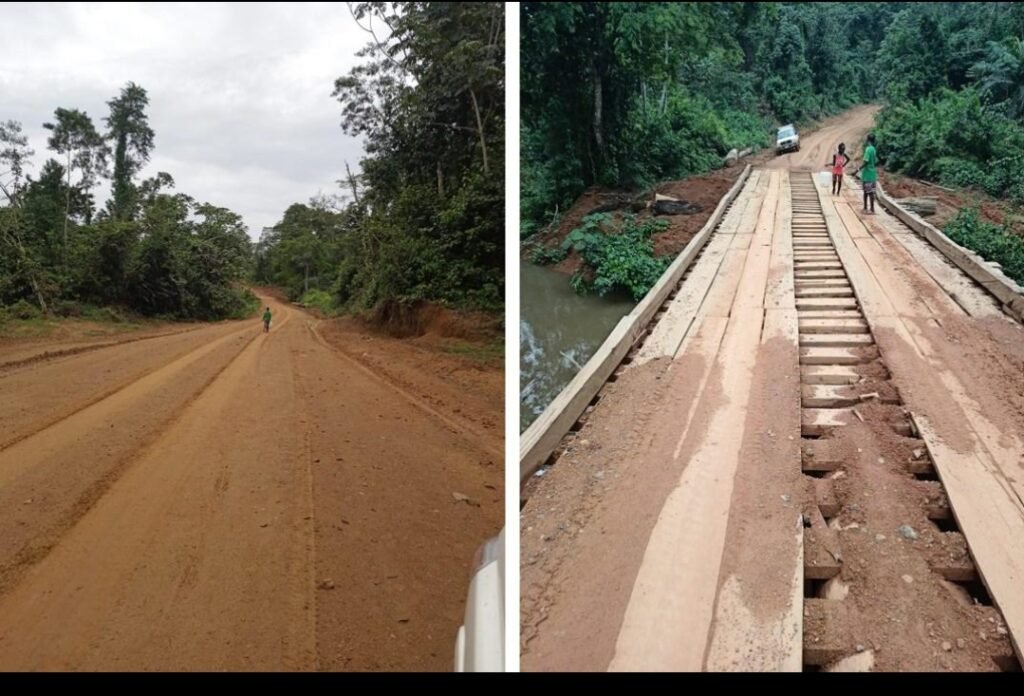
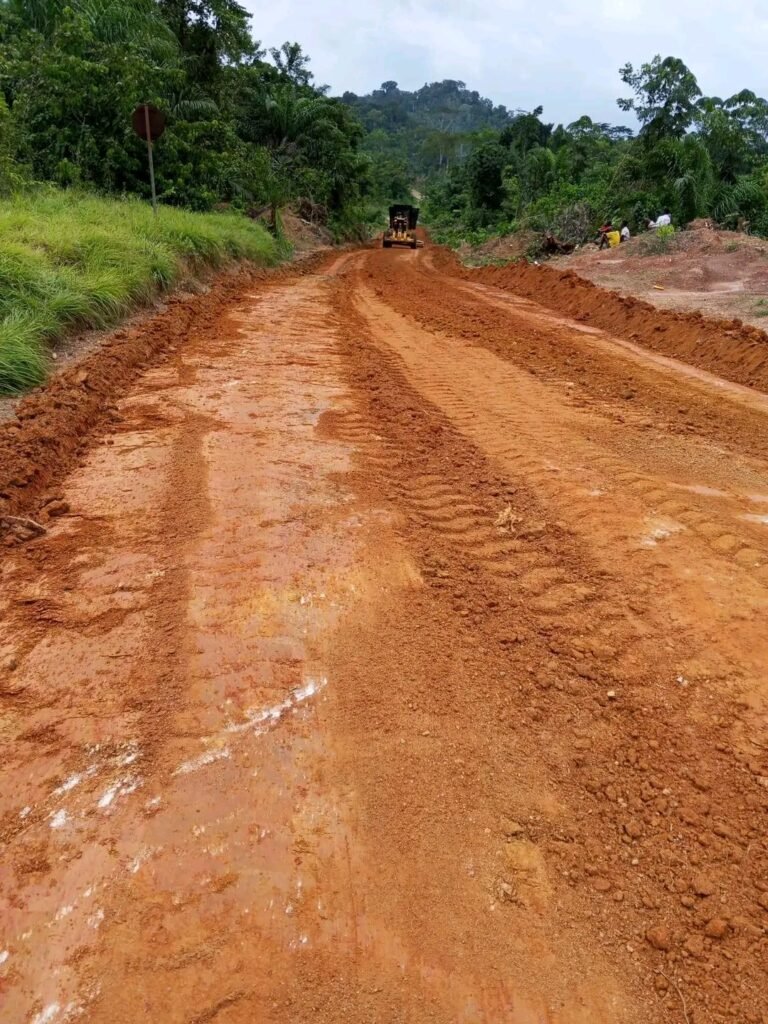
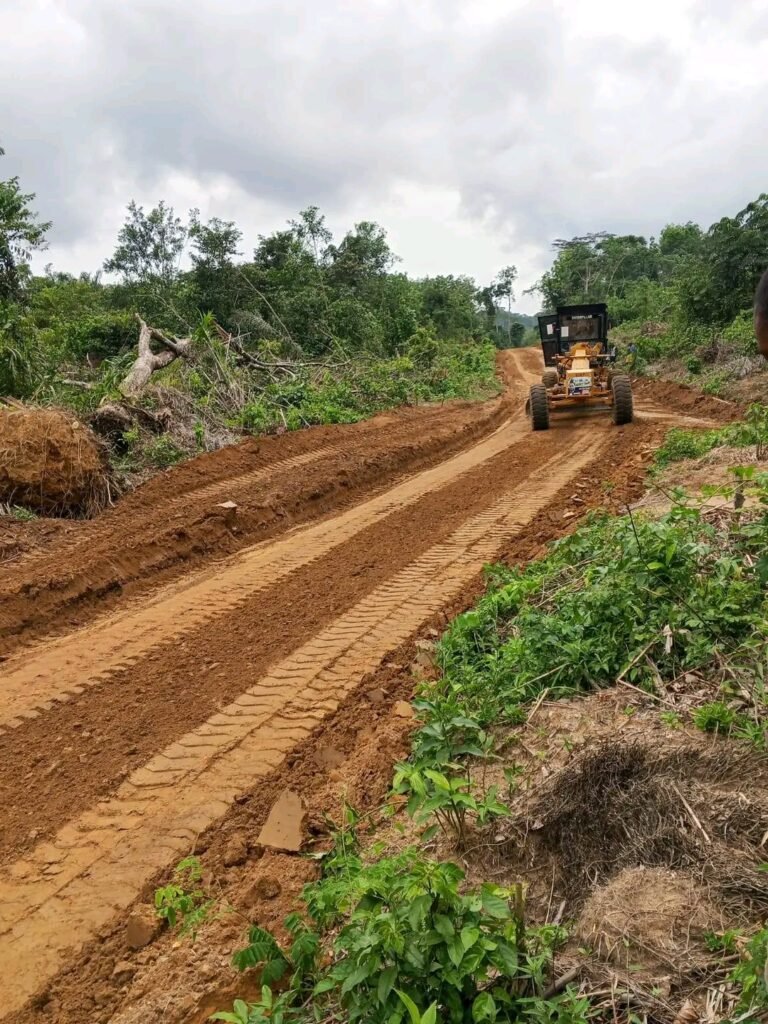
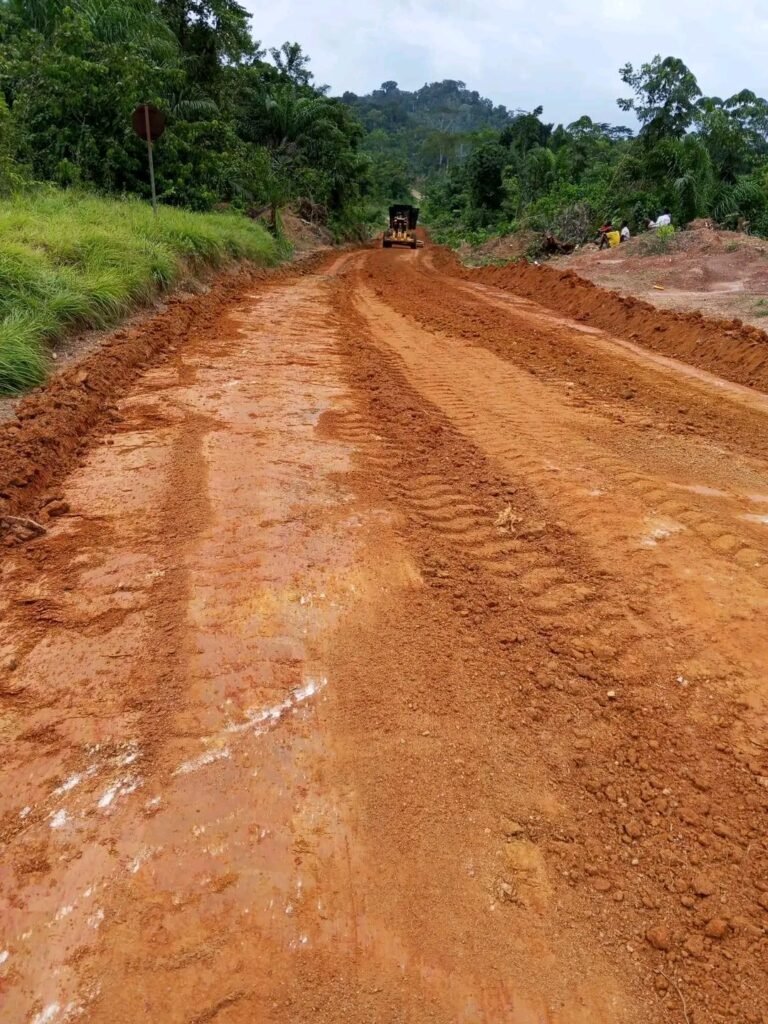
In a separate road intervention, work was undertaken to improve access to Pomuken Town in Karluway District.
The project involved road clearing and the construction of more than five bridges along the route. By March 2026, a vehicle had reportedly reached Pomuken for the first time in decades, marking a significant development in the community’s transportation access.
Support for Volunteer Teachers and Traditional Midwives
Beyond physical infrastructure, Taylor introduced a salary-redirection initiative intended to provide financial assistance to volunteer teachers and traditional midwives in District #3.
The initiative officially commenced on July 7, 2025, according to information provided by his district office.
Under the reported arrangement, 110 volunteer teachers and 56 traditional midwives were identified as beneficiaries, bringing the total number to 166.
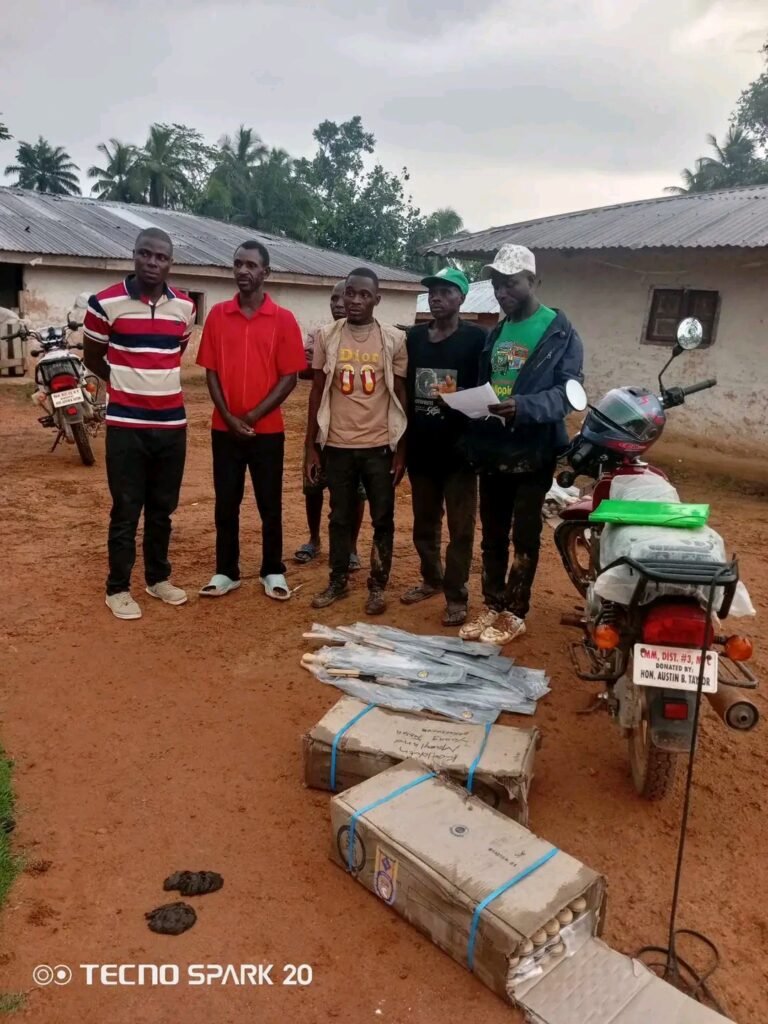
Each beneficiary was reportedly receiving LRD 1,500 monthly to support their contributions to education and community healthcare delivery.
The initiative was presented as part of Taylor’s campaign commitment to redirect his legislative salary toward community development and social support.
However, the program has also attracted questions regarding financial accountability.
A July 23, 2025, investigation by FrontPage Africa reported a discrepancy of LRD 51,000 between the declared monthly program budget of LRD 300,000 and the calculated expenditure of LRD 249,000 for the 166 beneficiaries.
The report indicated that the district office had not provided an explanation for the difference at the time.
The financial questions notwithstanding, the initiative represents one of the social interventions publicly associated with the lawmaker’s development agenda. Its continued implementation and financial records remain important areas for public accountability.
Support for Maryland County Sports Teams
Taylor’s development interventions have also extended to sports, particularly during the 2024/2025 National County Sports Meet.
In January 2025, he pledged more than LRD 1.6 million in financial and equipment support to Maryland County’s football and kickball teams.
The announced assistance included LRD 200,000 as a reward following the county’s victory over Grand Bassa, LRD 180,000 for jerseys and LRD 1,050,000 for the purchase of 30 pairs of football boots.
He also announced additional financial incentives tied to the team’s subsequent performance in the competition.
The intervention was intended to provide material support to the county’s athletes and strengthen their participation in the national sporting event.
Although the assistance targeted Maryland County’s teams rather than District #3 alone, it formed part of Taylor’s publicly reported contributions to sports development in his home county.
Advocacy for Local Government and Community Development
In addition to direct community interventions, Taylor has used his legislative position to raise concerns about development challenges affecting Maryland County.
On October 14, 2026, he challenged the government’s decision to revoke the city status of several communities, including Karloken and Glofaken.
He argued that communities should not be penalized for lacking basic public infrastructure and services that government institutions are expected to provide.
The position formed part of his broader advocacy for local development, particularly in communities where infrastructure limitations continue to affect economic activities and access to public services.
Taylor has also spoken about the importance of unity among members of the Maryland County Legislative Caucus, warning in April 2026 that internal divisions could undermine collective efforts to attract development opportunities and investment to the county.
Assessing the Development Record
From the construction of the Gbalaken Market Hall and Barrobo Town Hall to road access interventions, social support initiatives and sports assistance, Taylor’s tenure has produced a number of publicly documented development activities.
However, the projects differ in their stages of implementation, funding arrangements and geographical coverage.
While some facilities have been completed and dedicated, others remain subject to further construction or permanent government intervention. Similarly, the continuation of social support programs requires transparent reporting to establish their long-term impact.
For residents of Maryland District #3, the central measure of these interventions will ultimately be their sustainability, accessibility and practical contribution to everyday life.
As the district continues to face challenges involving roads, bridges, education, healthcare, water supply and economic opportunities, public scrutiny of project delivery, expenditure and results remains essential.
The development record therefore provides a basis for assessing the interventions undertaken since Taylor assumed office, while also identifying outstanding needs that require continued attention from the lawmaker and relevant government institutions.
