
By Sampson W. Weah
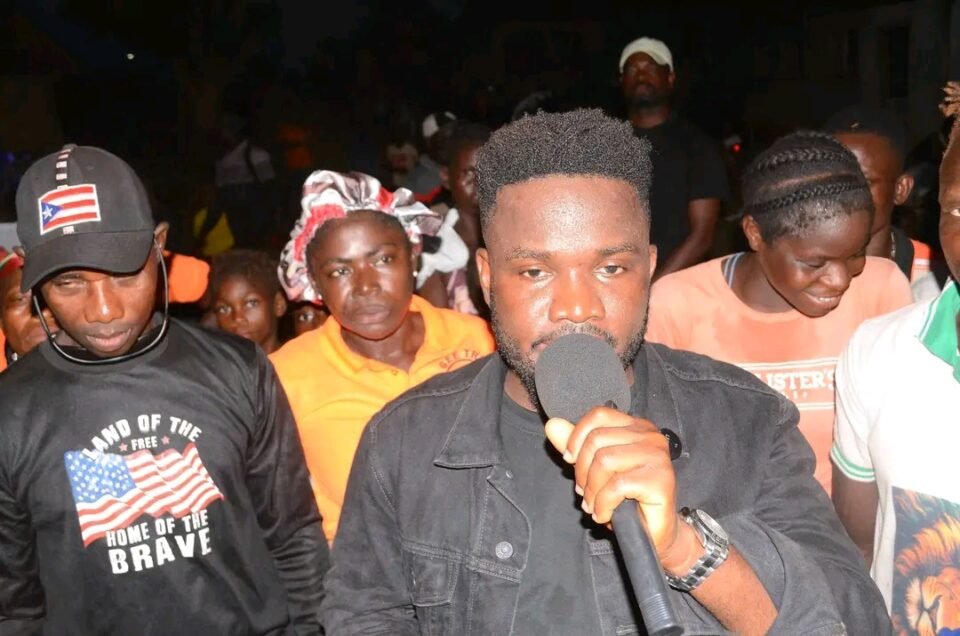
SINOE COUNTY, Liberia – Elijah B. Teahjay, a hopeful candidate for Representative of Sinoe County Electoral District #3, has questioned the development narrative surrounding the district, arguing that personal investments should not be presented as achievements for the general population.
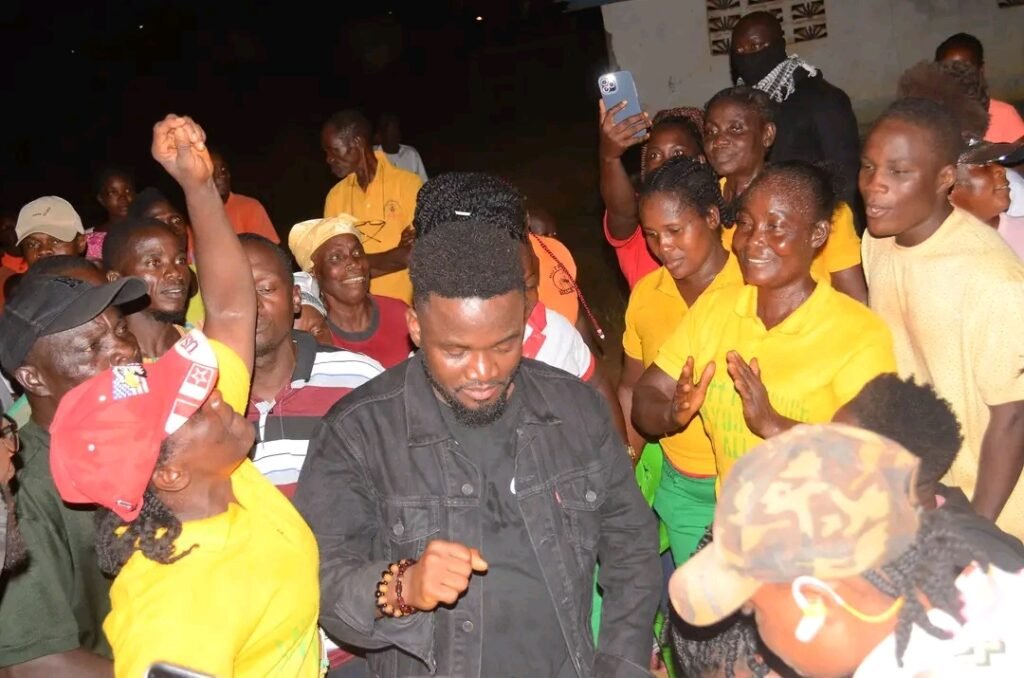
During a visit to Sinoe County, Teahjay emphasized that residents deserve leadership that recognizes their importance, values their contributions, and demonstrates its commitment through initiatives that directly improve their lives.
In remarks that appeared to challenge the development approach associated with incumbent Representative Alex S. Noah, Teahjay questioned the practice of presenting privately owned properties as public achievements.
“People build their private homes, calling it development for the people,” Teahjay said.
His statement placed the distinction between personal prosperity and community development at the center of the discussion, raising questions about who ultimately benefits from investments described as development.
Teahjay maintained that the people should remain the primary consideration in public leadership, stressing that residents deserve representatives who appreciate their presence and remain connected to their concerns.
Angie Dorbor Speaks for Women, Commends Loan Initiative
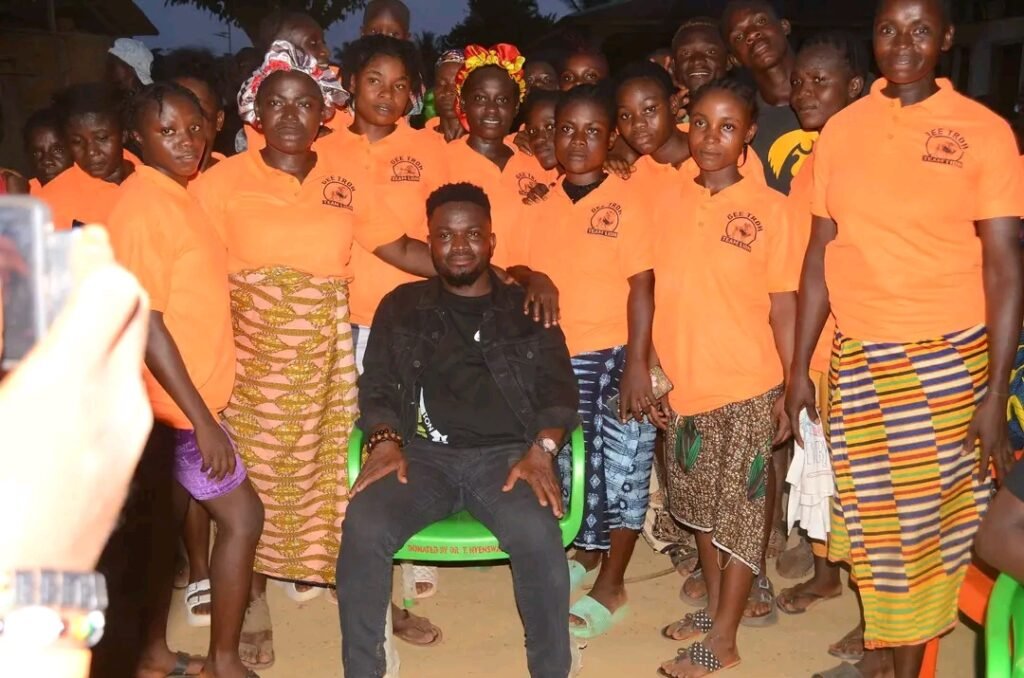
Beyond the political discussion, the visit also featured expressions of appreciation from women who said they had benefited from Teahjay’s loan assistance programme.
Angie Dorbor, speaking on behalf of the women, thanked Teahjay for providing financial support that has enabled market women to sustain their businesses, generate independent income, and contribute to their families’ welfare.
Dorbor explained that access to the loans has created opportunities for women who previously struggled to establish meaningful economic activities. She said the assistance was helping beneficiaries maintain their trading businesses while meeting important household responsibilities.
Emphasizing the impact on children’s education, Dorbor recalled the difficulties some women experienced despite completing high school.
“Some of us graduated from high school but never had anything doing, but your loans can now allow us to send our children to school,” she said.
Her remarks reflected the appreciation of women who described the financial assistance as an opportunity to become economically active and take greater responsibility for their families.
For the beneficiaries, the support represents an opportunity to keep their businesses operating, earn income independently, and contribute toward their children’s education without relying entirely on others.
Loan Support Brings Livelihood Concerns Into Focus
The women’s testimonies highlighted the importance of access to affordable financing for small-scale traders, particularly market women whose businesses often depend on limited working capital.
For many households, income generated from petty trading contributes to food, healthcare, school fees, and other essential expenses. The beneficiaries’ accounts suggest that access to business loans can play an important role in helping women meet these responsibilities.
Their appreciation also brought a practical dimension to the wider discussion about development, moving the conversation beyond physical investments to the economic circumstances of ordinary families.
The Question of Representation
Teahjay’s engagement comes amid discussions about future representation in Sinoe County Electoral District #3, where development priorities, public accountability, and citizens’ expectations remain important issues.
His criticism of how development is presented, alongside the women’s appreciation of his loan initiative, placed two competing measures of progress into focus: investments in personal property and interventions that directly support people’s livelihoods.
As the conversation about the district’s future leadership continues, residents will be looking for clear development priorities, credible commitments, and initiatives that address the economic and social challenges confronting their communities.
For Teahjay, the central message of his engagement was that the people should not be forgotten in discussions about development. Their interests, contributions, and everyday needs, he argued, must remain at the heart of public leadership.
