
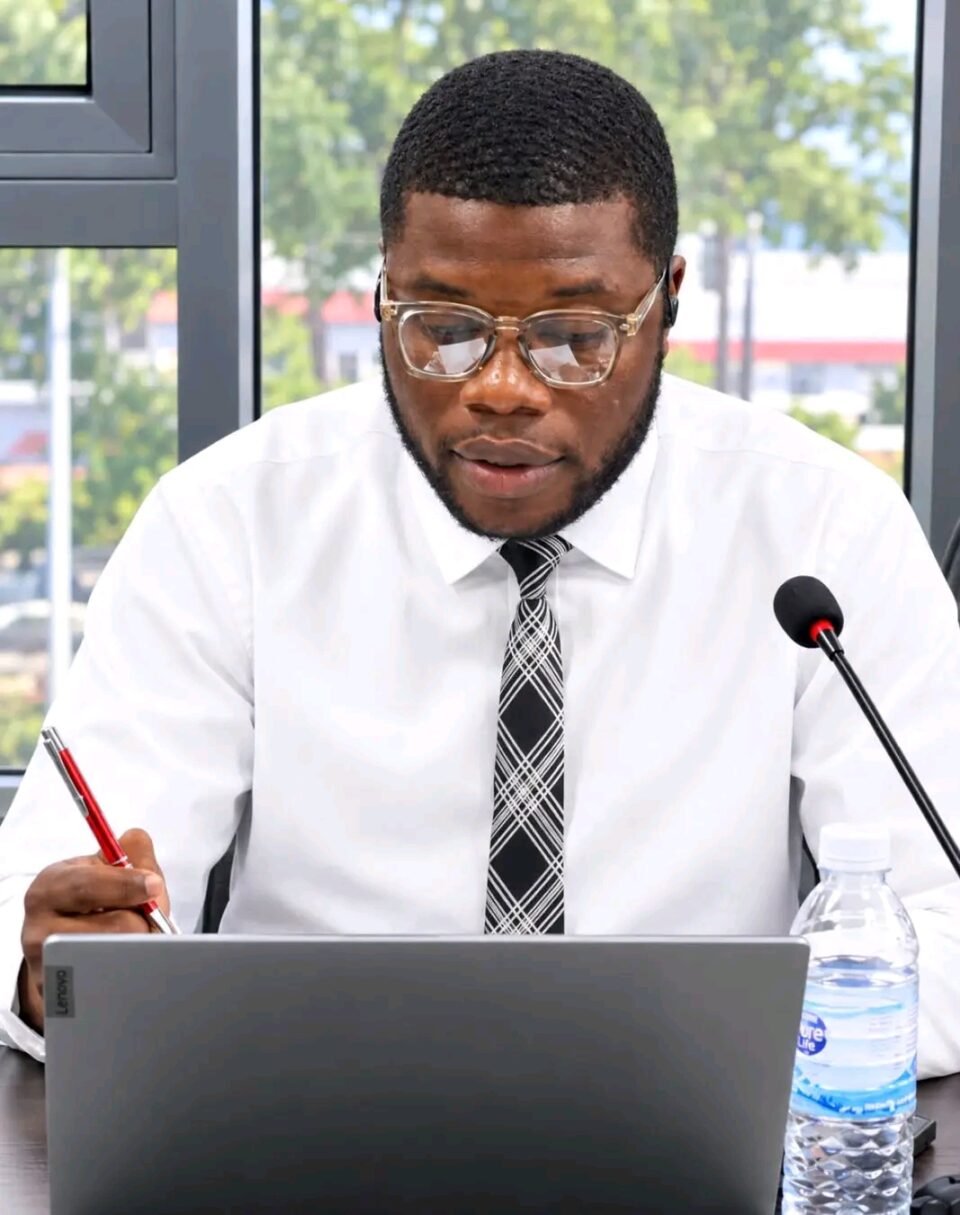
MONROVIA, Liberia — Presidential aspirant Eugene Tuan-wleh Williams has outlined an ambitious electricity reform agenda, proposing greater private-sector participation in power generation, stronger regulatory oversight, and the gradual introduction of underground electricity distribution systems in Liberia’s major cities.
Williams said electricity reform would become a major priority of his administration if elected president, arguing that Liberia needs a new approach to addressing its longstanding power supply challenges.
Under his proposed plan, qualified private investors and Independent Power Producers (IPPs) would be given opportunities to generate and supply electricity under transparent regulations established by the Liberia Electricity Regulatory Commission (LERC).
He believes the country should not continue placing the enormous responsibility of powering the entire nation on one institution, pointing to what he described as the Liberia Electricity Corporation’s (LEC) failure to adequately meet the country’s electricity needs.
To support his proposal, Williams referenced Côte d’Ivoire, where private-sector companies, including CIE, CIPREL, and AZITO, play significant roles in the electricity industry.
He noted that the West African country has expanded its electricity generation capacity and now supplies power to neighbouring countries, including Liberia.
Williams also cited Senegal’s experience with Independent Power Producers as another example of how private investment can contribute to expanding national electricity capacity.
He said a similar arrangement could be explored in Liberia, with private investors contributing to power generation while the government strengthens LEC’s operational capacity, improves LERC’s regulatory functions, and protects electricity consumers.
Beyond expanding electricity access, Williams also proposed a major transformation of the country’s urban infrastructure, with particular attention to Monrovia.
He called for a gradual transition from the city’s existing overhead electricity connections to modern underground distribution systems, arguing that the current arrangement negatively affects the appearance and organization of the capital.
Referencing Kigali, Rwanda, and Nairobi, Kenya, Williams said Liberia could learn from urban infrastructure modernization efforts undertaken in other African capitals.
He expressed dissatisfaction with the tangled electrical cables, poorly arranged utility poles, and disorganized overhead connections visible across several parts of Monrovia.
According to him, the country’s capital deserves a more organized and modern infrastructure system that reflects Liberia’s development aspirations.
Williams acknowledged the importance of moving beyond conventional electricity expansion to address the broader appearance and functionality of urban communities.
His proposed electricity agenda places private investment, institutional reform, consumer protection, and modern infrastructure at the center of his development vision ahead of the 2029 presidential elections.
Eugene Tuan-wleh Williams is campaigning under the message, “Brighter Liberia Is Possible,” as he positions electricity reform and urban modernization among the key issues of his political agenda.
