
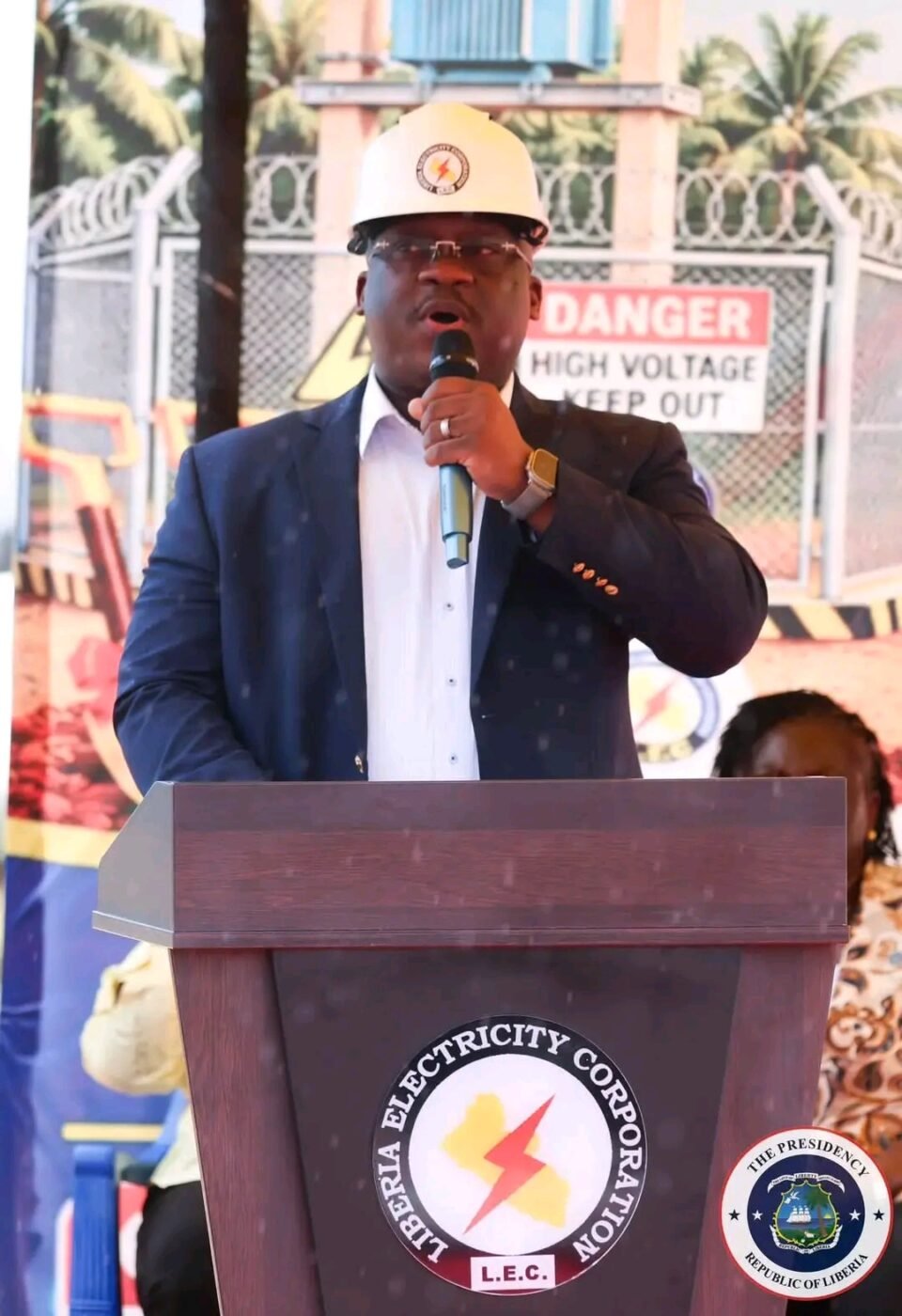
MONROVIA, Liberia — Liberia Electricity Corporation (LEC) Managing Director Mohammad M. Sheriff has announced a major electricity expansion initiative aimed at connecting communities in Gbarpolu and Grand Cape Mount counties to the national electricity grid, with an estimated 16,038 households expected to benefit.
Speaking at the groundbreaking ceremony, Sheriff described the project as a significant step toward addressing longstanding electricity challenges in rural communities, emphasizing its potential to improve living conditions, support businesses, and strengthen essential public services.
“Today, we are not cutting the ribbon on something finished; we are breaking ground on a promise,” Sheriff said, underscoring the importance of expanding electricity access to communities that have historically remained underserved.
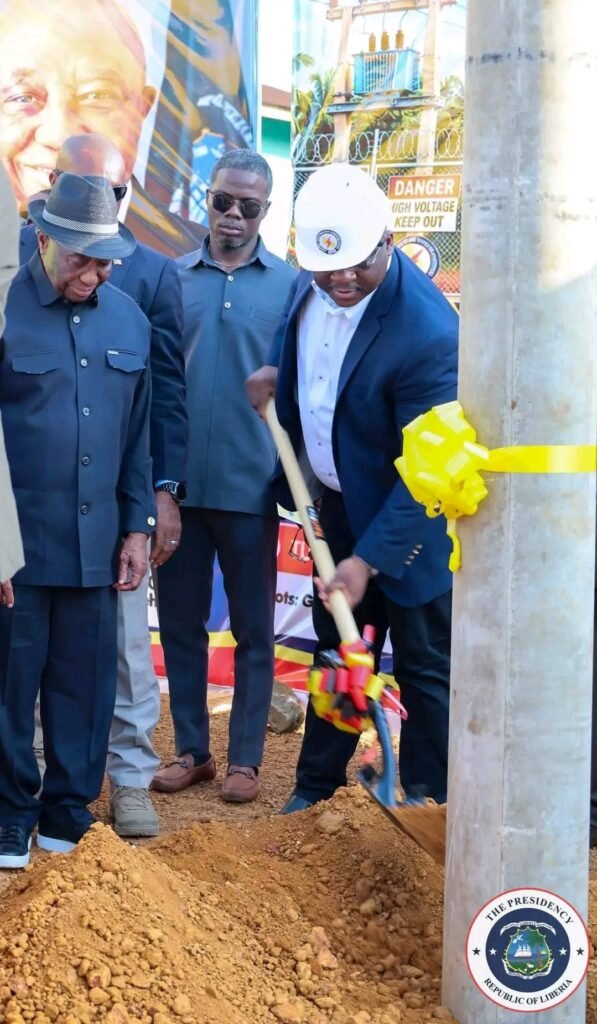
Outlining the project’s scope, Sheriff disclosed that LEC will extend a 33-kilovolt line from Chuknabu to Bopolu City, the capital of Gbarpolu County. The extension is expected to connect Gbarpolu to Liberia’s national electricity grid for the first time.
He also announced plans to extend electricity infrastructure to communities along the Bikini Corridor in Grand Cape Mount County, with an additional connection through a line from Sanniquellie in Nimba County to Lofa Bridge, according to the project announcement.
The project will involve the construction of approximately 101 kilometers of 33-kilovolt overhead distribution lines and 86 kilometers of secondary distribution networks to serve communities across the targeted areas.
Sheriff said the completed infrastructure is expected to provide electricity access to 16,038 households, benefiting families, young people, commercial establishments, and healthcare facilities, including the NTH Hospital.
Describing the initiative as a Liberian-led development project, the LEC Managing Director also began outlining its financing arrangements, although the available recording ends before he completes that explanation.
The initiative represents an important step toward extending electricity infrastructure beyond major urban centers, with the potential to stimulate economic activities, improve healthcare delivery, support education, and expand opportunities for communities in the project areas.
The project is expected to address longstanding infrastructure gaps while advancing efforts to broaden access to electricity across Liberia.
