
By Sampson W. Weah
Capitol Hill, Liberia — As Representative Austin B. Taylor marks two years of legislative service to the people of Maryland County’s Electoral District #3, his tenure has been characterized by a range of community development initiatives, infrastructure interventions, educational support, youth empowerment efforts, and legislative advocacy aimed at addressing longstanding challenges facing his constituents.
Elected during the 2023 general elections, Taylor entered the House of Representatives with expectations from residents seeking improved road connectivity, better educational opportunities, community infrastructure, and increased attention to the needs of rural communities.
Since assuming office, the Maryland County lawmaker has pursued several initiatives that have attracted attention across the district, particularly in communities where access to basic infrastructure and public services has remained a longstanding concern.
His two-year record reflects efforts to connect remote communities, support local economic activities, assist volunteer educators and traditional midwives, and strengthen the district’s participation in national development discussions.
Road Connectivity: Opening Access to Previously Isolated Communities
One of the notable infrastructure interventions associated with Representative Taylor is the feeder road initiative targeting remote communities across District #3.
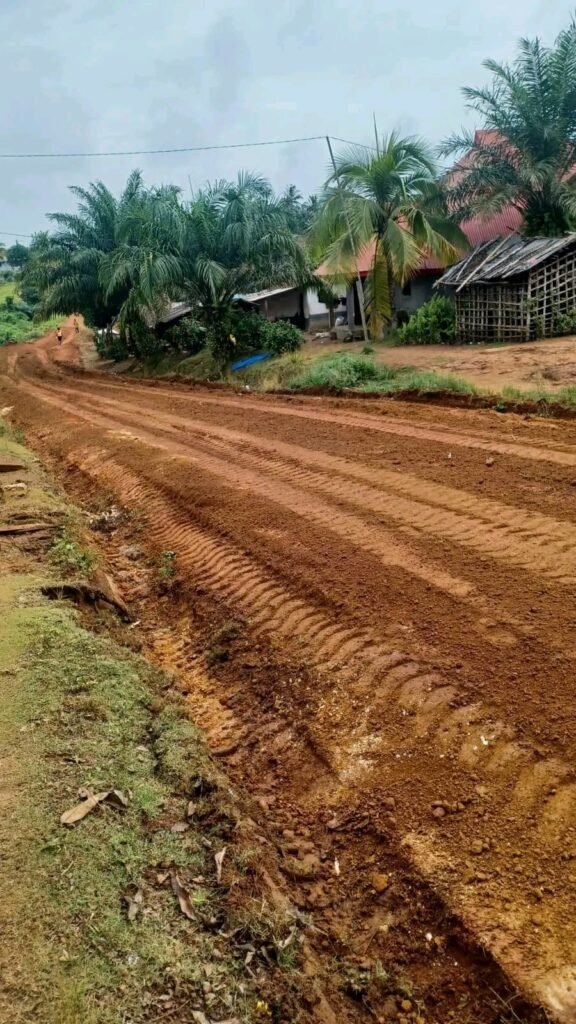
The rehabilitation effort gained considerable attention in March 2026 when a vehicle successfully entered Pomuken Town in Karluway District for the first time in decades.
For years, residents of Pomuken depended largely on footpaths and motorcycles because deteriorating road conditions prevented regular vehicle access. The situation affected farmers, traders, students, and residents seeking medical services outside the community.
The road initiative, supported by the lawmaker, included clearing activities and the construction of more than five bridges along the route.
The development represented an important change for residents who had repeatedly called for improved transportation infrastructure to connect their communities with larger commercial and administrative centers.
Pomuken’s access breakthrough demonstrated the importance of rural road development in improving economic activities, reducing transportation difficulties, and connecting isolated populations to essential services.
Dorrobo Market Hall: Supporting Farmers and Local Commerce
Another major community development initiative during Taylor’s tenure is the construction and completion of a market hall in Gbalaken Town, formerly known as Free Town, in Dorrobo Clan, Karluway Statutory District.
For years, residents of Gbalaken and surrounding communities traveled considerable distances to Karloken to sell agricultural produce and purchase essential commodities.

The absence of a dedicated market facility placed additional burdens on women traders and farmers, many of whom struggled to transport their goods over long distances.
The market hall, funded by Representative Taylor, was completed in March 2026. It is expected to serve at least six surrounding communities while providing a more accessible trading location for local residents.
The facility includes a selling space and toilet facilities and is intended to strengthen agricultural trade by providing farmers and businesspeople with a central location to conduct commercial activities.
For an agricultural district such as Barrobo and Karluway, investments in local market infrastructure are particularly important because they help connect farmers with buyers, reduce transportation difficulties, and create opportunities for small businesses.
The Dorrobo market project therefore represents an investment in community commerce and the economic participation of rural residents.
Educational and Healthcare Support Through Salary Redirection
Education and community healthcare have also featured among Taylor’s constituency support initiatives.
In July 2025, the lawmaker’s salary-redirection program was officially launched to provide monthly financial assistance to volunteer teachers and traditional midwives across the district.
According to information released by his district office, the program covers 166 beneficiaries, comprising 110 volunteer teachers and 56 traditional midwives.
Each beneficiary reportedly receives LRD 1,500 monthly.
The initiative recognizes the contribution of volunteer educators who continue to support learning in communities where the availability of qualified and formally compensated teachers remains a challenge.
It also acknowledges traditional midwives who provide maternal and basic healthcare assistance, particularly in rural communities where access to formal health facilities can be difficult.
By extending financial support to these groups, Taylor’s initiative seeks to recognize individuals whose services contribute directly to education and community health.
The program also places attention on the importance of supporting local human resources as part of broader development efforts.
Sports Development and Youth Empowerment
Representative Taylor has also demonstrated financial support for sports development in Maryland County.
In January 2025, following Maryland County’s victory over Grand Bassa County during the National County Sports Meet, Taylor pledged more than LRD 1.6 million in financial and equipment support to the county’s football and kickball teams.
The announced package included financial rewards, jersey purchases, football boots, and additional incentives tied to the team’s performance in the competition.
The commitment reflected the importance of sports as a platform for youth participation, talent development, community pride, and county representation.
Beyond the immediate financial assistance, such support provides encouragement to young athletes who represent their county at national sporting events.
Taylor’s broader youth empowerment activities have also included scholarship assistance and training opportunities for young people seeking to acquire professional and technical skills.
His approach recognizes that investment in young people must extend beyond political representation to include opportunities for education, skills development, and participation in productive activities.
Community Infrastructure and Development Advocacy
Taylor’s development activities have also extended to community infrastructure, including interventions aimed at improving public facilities and supporting local development priorities.
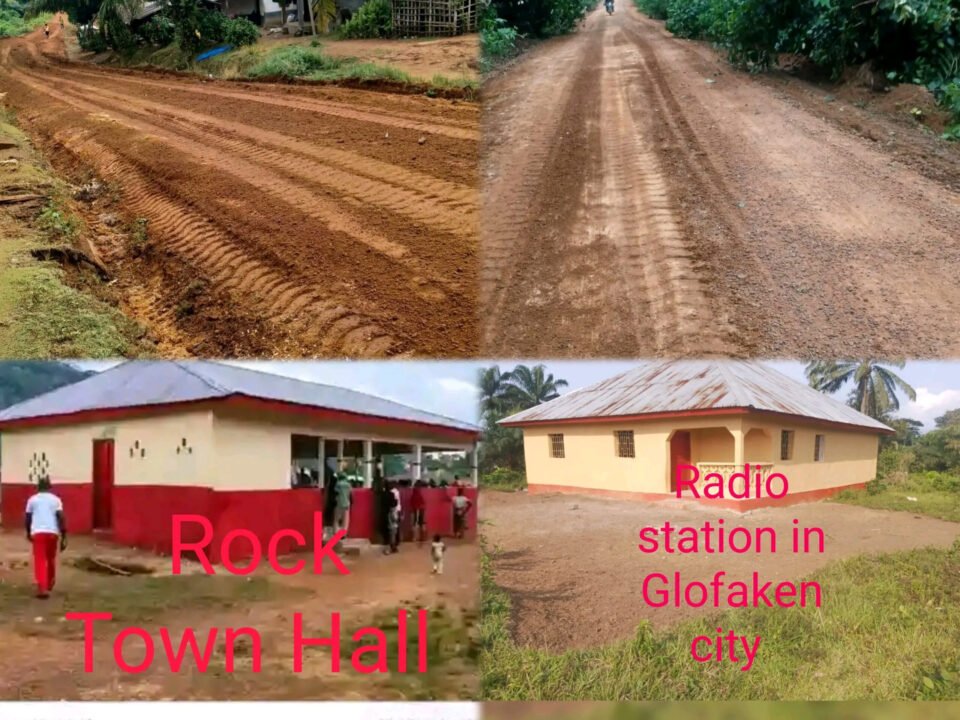
Among the projects associated with his district development agenda are town hall initiatives, hand-pump installations, and other community-based interventions.
These facilities are important to rural communities because they provide spaces for public meetings, traditional leadership activities, community discussions, and access to basic services.
The construction and rehabilitation of local infrastructure remain essential to strengthening community administration and improving the living conditions of residents across the district.
His development agenda has also emphasized the importance of ensuring that rural communities receive attention in national planning and public investment decisions.
Legislative Advocacy for Maryland County
Beyond constituency projects, Taylor’s legislative activities have included raising concerns about policies and decisions affecting communities in Maryland County.
In October 2026, the lawmaker challenged the Ministry of Local Government’s decision to revoke the city status of communities that failed to meet established requirements.
During deliberations at the House of Representatives, Taylor questioned the fairness of penalizing communities for lacking essential public facilities such as running water and banking services when the provision of such infrastructure requires government involvement.
He argued that communities should not bear the consequences of longstanding infrastructure gaps without the government addressing its own responsibilities.
His intervention particularly concerned Karloken City in Karluway Statutory District and Glofaken City in Barrobo Statutory District, which were among the communities affected by the decision.
Taylor also questioned the legal process surrounding the revocation and called for the responsible government officials to explain the basis for the decision before the Legislature.
The intervention placed the concerns of affected Maryland County communities within a broader national legislative discussion on local governance, public infrastructure, and the responsibilities of government.
Strengthening the Maryland County Development Agenda
Taylor has also spoken publicly about the need for unity among Maryland County lawmakers, arguing that political disagreements should not undermine collective efforts to attract development opportunities to the county.
His position reflects the importance of cooperation among elected officials in pursuing infrastructure investments, educational support, healthcare improvements, and other development priorities.
For a county with significant agricultural potential and communities spread across difficult terrain, coordinated leadership remains important in addressing development challenges.
A Record of Community Engagement and Development Initiatives
Two years into his legislative service, Representative Austin B. Taylor’s record includes identifiable interventions in road connectivity, market infrastructure, educational and healthcare support, sports development, youth empowerment, and legislative advocacy.
The opening of road access to Pomuken and the completion of the Dorrobo Market Hall stand among the most visible community-based developments associated with his tenure.
His salary-redirection program has also extended support to volunteer teachers and traditional midwives, while his sports interventions have provided financial and material assistance to Maryland County’s teams.
These initiatives reflect a legislative approach that places considerable attention on rural communities and the everyday needs of constituents.
For the people of District #3, the significance of representation is measured not only through participation in legislative proceedings but also through the extent to which public leadership responds to community needs and contributes to local development.
As Taylor continues his service at the National Legislature, his first two years provide a record of development initiatives and advocacy that have placed several longstanding community concerns on the district’s development agenda.
For Maryland County District #3, the story of these two years is one of road access, market development, support for local service providers, youth opportunities, and a stronger voice for rural communities in national decision-making.
