
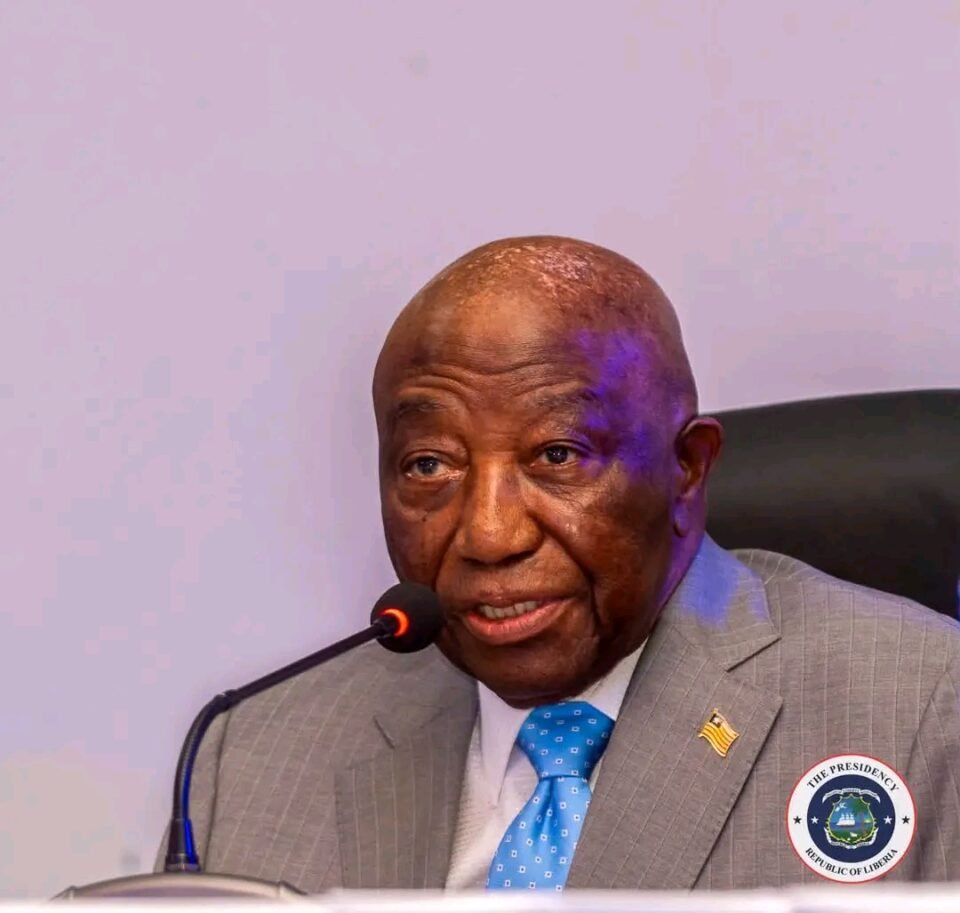
MONROVIA, Liberia – President Joseph Nyuma Boakai has received a proposed US$5.7 billion investment package that could significantly reshape Liberia’s electricity supply and road infrastructure over the next five years.
The proposal, submitted through the Interministerial Concessions Committee, follows negotiations between the Liberian Government and Bea Mountain Mining Corporation. It is being presented under the proposed Master Infrastructure Development Agreement (MIDA).
A major component of the arrangement is the planned addition of 270 megawatts of electricity to the national generation capacity through four power facilities spread across three hydropower projects and one biomass plant.
The proposed energy projects include a 100-megawatt hydropower station on the Via River and two facilities along the St. Paul River with a combined production capacity of 110 megawatts. A separate 60-megawatt biomass plant is also planned near the Via River dam.
To support electricity production throughout the year, the programme proposes three reservoirs capable of holding a combined 10 billion cubic meters of water. The storage facilities are intended to maintain power generation when rainfall declines and river levels fall.
The proposed agreement also outlines an extensive expansion of electricity transmission infrastructure. One 150-kilometer line is expected to link the power facilities with the Mount Coffee substation, while another 150-kilometer connection will extend from the Via River facility to Nimba County. Bong County is also expected to benefit from a five-kilometer transmission line.
An additional US$230 million has been set aside in the proposal for strengthening the national electricity network through improvements to substations, transformers, and transmission facilities.
Road Construction Forms Major Part of Proposal
The infrastructure package also places substantial resources behind road development, with a proposed 146-kilometer road project identified as one of its major undertakings.
Beyond that project, another US$1 billion is earmarked for road construction across Liberia. The proposed investment is intended to improve transportation between counties, open up communities, and provide better access to commercial and economic centres.
The government expects the construction programme to create jobs for Liberians, particularly in the engineering, construction, and energy sectors.
Improved transportation and electricity services are also expected to benefit farmers, businesses, healthcare facilities, and other institutions that depend on reliable power and accessible roads.
Bea Mountain to Support Financing Arrangement
Under the proposed financial structure, additional payments from Bea Mountain Mining Corporation, linked to higher international gold prices, are expected to contribute toward funding the projects.
The mining company will, however, continue making its regular payments into the government’s Consolidated Account.
The administration says the arrangement is intended to generate resources for major infrastructure investments without adding further pressure to the country’s public debt.
The programme is expected to run for five years, with the biomass plant and associated transmission lines scheduled for completion within the first two years.
The proposed investment forms part of the Boakai administration’s ARREST Agenda for Inclusive Development, which places emphasis on infrastructure, economic expansion, and improving the welfare of citizens.
Legislature to Have Final Say
The government has scheduled the formal signing of the proposed agreement for Wednesday, November 25, 2026. Once signed, the document is expected to be submitted to the Liberian Legislature for review and consideration.
The proposed US$5.7 billion package now faces the next stages of the approval process before implementation can begin.
Its delivery will ultimately be measured by whether the proposed power facilities are built, electricity reaches more communities, roads are completed, and the expected economic benefits translate into improved conditions for ordinary Liberians.
