
By Sampson W. Weah
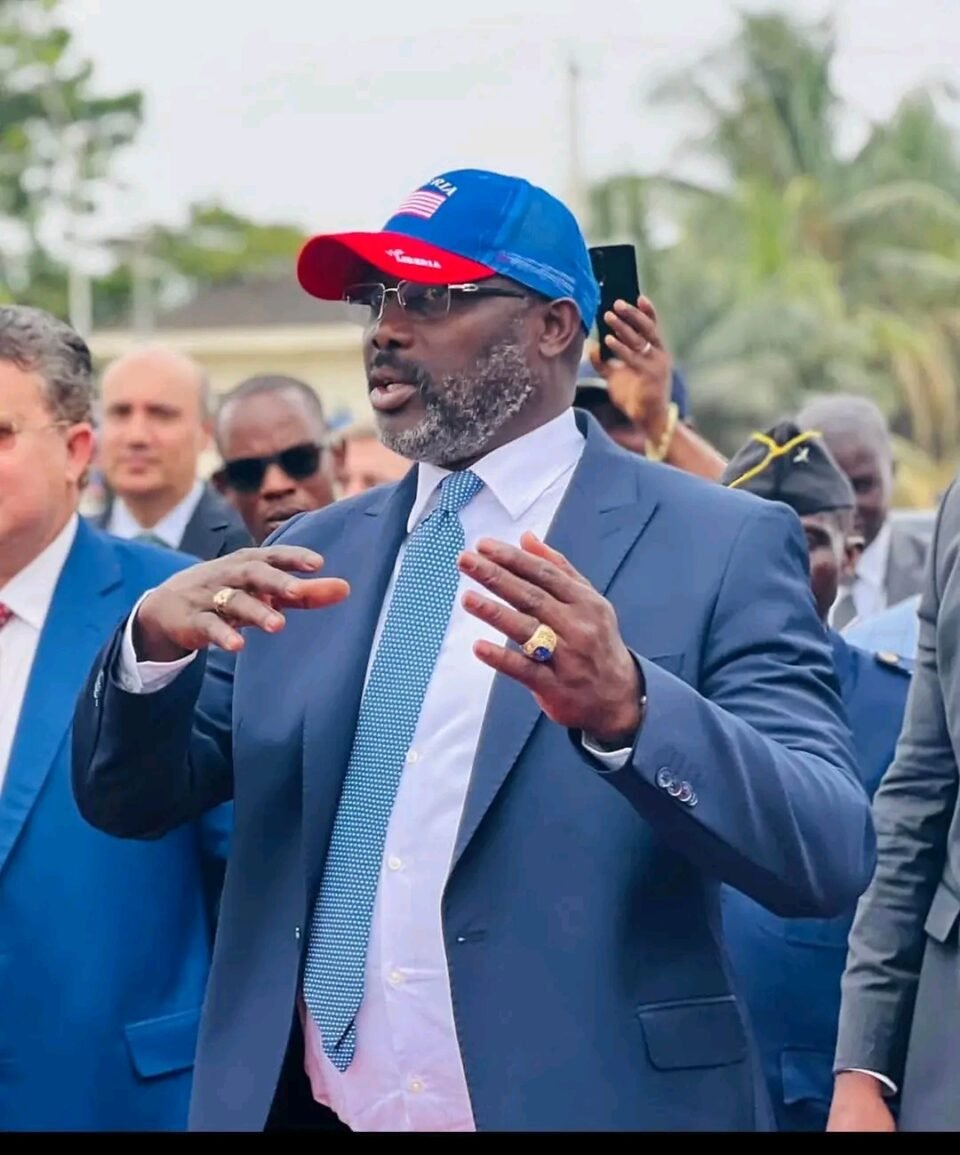
MONROVIA, Liberia — Former President George Manneh Weah has cautioned the administration of President Joseph Nyuma Boakai against decisions he believes violate Liberia’s tenure laws, warning that politically motivated dismissals could deepen public frustration and threaten the country’s hard-won peace.
Weah said the removal of public officials and ordinary workers because of their perceived political affiliations raises serious concerns about fairness, respect for the law and the government’s responsibility to protect the rights of Liberian citizens.
Speaking on the growing concerns surrounding public-sector employment, the former president argued that individuals who served under his administration or supported his political leadership should not automatically become targets of dismissal following a change of government.
He specifically called attention to officials occupying tenured positions, stressing that their appointments must be protected in accordance with existing laws rather than subjected to political considerations.
Recalling his administration’s approach to statutory appointments, Weah said he respected legal restrictions against removing officials before the expiration of their tenure.
“When they told me that this is a tenured position, you cannot move the person until their tenure expires, so be it. That’s the law; we can’t break the law,” he said.
Weah maintained that the protection of tenure is a legal obligation that should remain consistent regardless of which political party controls the government.
Beyond senior government officials, he expressed concern about ordinary workers allegedly losing their jobs across public institutions, arguing that low-income employees are particularly vulnerable to the consequences of political transitions.
He questioned why citizens who supported the ruling Unity Party should remain employed while others perceived to have connections with the former administration face possible exclusion from government opportunities.
The former president also challenged what he described as an apparent preference for employing foreign nationals over qualified Liberians, asking whether citizens were being denied opportunities in their own country.
“You can employ a Senegalese man, and you refuse to employ a Liberian. Is that what it is? No, it’s wrong,” Weah said.
He argued that access to employment should not be determined by political loyalty, nationality-based discrimination or personal associations, but by fairness and the applicable laws governing public service.
Weah further warned that prolonged economic hardship and perceived political exclusion could create resentment among affected citizens.
He cautioned that when people become frustrated and lose confidence in institutions, there is a risk that some may resort to taking matters into their own hands.
However, he emphasized that his intervention should not be interpreted as an attempt to encourage confrontation, maintaining that national peace must take precedence over political disagreements.
Addressing questions about his responsibility as an opposition leader, Weah rejected suggestions that preserving national stability was solely the responsibility of the government.
He insisted that he had consistently contributed to maintaining peace throughout Liberia’s political transitions.
“I have always kept the peace of the Republic of Liberia. During Ellen Johnson’s administration, I kept the peace. During President Doe’s administration, I kept the peace,” he stated.
Weah also invoked his relationship with former President Ellen Johnson Sirleaf, saying his administration maintained respect for her and the laws of the country, including legal protections governing public appointments.
He said his record of working with previous administrations demonstrated his commitment to peaceful political engagement, even when disagreements existed.
The former president urged the Boakai administration to reconsider decisions that could undermine legal protections, deepen political divisions and leave ordinary Liberians feeling excluded from economic opportunities.
His remarks place renewed attention on the relationship between political transitions, public-sector employment and the protection of tenured appointments in Liberia.
While Weah’s allegations raise questions about the government’s handling of public appointments, the legal circumstances surrounding individual dismissals and the administration’s position on the claims remain matters requiring clarification.
At the centre of his message, Weah maintained that respect for the law, equal treatment of citizens and the preservation of national peace must remain fundamental responsibilities of any government.
